The main difference between a college and a university lies in the different types of degrees they offer.
Francisco Cantu - Best College Aid
When it comes to higher education, we often hear the terms 'university' and 'college' being used interchangeably. However, there are significant differences between these two institutions. In this blog, we will define what a university and a college are, and then explore their distinctive characteristics and how they differ in terms of academic programs and opportunities, academic specializations, and school size
WHAT IS A UNIVERSITY?
A university is an institution of higher education that offers both undergraduate and graduate programs. Although most universities offer a wide variety of academic disciplines, some universities may have a more specific or specialized focus.
WHAT IS A COLLEGE?
A college is an institution that focuses primarily on offering undergraduate programs, such as associate's and bachelor's degrees. However, it is important to note that some colleges may also offer graduate programs in select areas, which may vary by institution.
WHAT ARE THE DIFFERENCES BETWEEN A COLLEGE AND A UNIVERSITY?
Academic Programs and Oportunities
Both universities and colleges offer a variety of academic programs, but universities tend to have a broader range of options. Additionally, universities often have more resources and funding available for research, extensive libraries, specialized laboratories, and other services that can benefit students.
On the other hand, colleges often offer more focused and specialized academic programs in specific areas. These programs can be more practical and geared towards direct preparation for a particular career or profession. Colleges may also provide hands-on learning opportunities, internships, and industry connections to give students relevant experience in their chosen field.
In this video we explain the differences between a college and a university in more depth.
Academic Specializations
Another significant difference lies in the educational focus of a university and a college. In general, universities emphasize both academic research and teaching. Many universities have renowned researchers and professors in their fields, and offer opportunities for students to engage in research projects and advanced studies.
On the other hand, colleges tend to place a greater emphasis on hands-on teaching and student experience. College professors often focus primarily on teaching and are committed to providing high-quality education and individualized attention to students.
School Size
One of the main differences between a university and a college is their size and academic structure. Generally, a university is a larger institution that offers a wide variety of study programs across multiple faculties and schools. You can find faculties of sciences, liberal arts, engineering, business, medicine, and many other disciplines within a university.
On the other hand, a college tends to be smaller and focuses on specific academic programs. Colleges often specialize in areas such as liberal arts, music, design, technology, education, among others. The narrower academic structure allows for a more personalized educational experience and greater interaction with professors and classmates.
In conclusion, while universities are larger institutions that offer a wide range of academic programs and research opportunities, colleges tend to be smaller and focus on specialized programs and hands-on teaching experience. Both options have their advantages and challenges, and it's important to consider your educational goals and personal preferences when making a decision.
HOW TO FIND THE BEST OPTION FOR YOUR FAMILY
Now that you understand the main differences between a college and a university, you and your children can start planning for their future.
If you want to learn how to find schools, whether colleges or universities, that meet your children's academic and career goals while also addressing your family's financial needs, I invite you to register for our free presentation: 6 Tips for Going to College on Scholarship. 6 Tips for Going to College on Scholarship.
Recently, the Supreme Court has issued a ruling that prohibits the consideration of race in the admissions process at universities such as Harvard and the University of North Carolina. This decision, related to affirmative action, has generated a great impact and raises important implications for access to higher education.
In this article, we will delve into the context of this situation and analyze the possible consequences it could have, especially for immigrant mothers with children in middle and high school. We will explore how this decision affects admissions programs, student diversity, and equitable access to higher education. In addition, we will provide information and resources to help you navigate these changes and support your children on their path to college.
Supreme Court ruling:
The Supreme Court's ruling states that race-conscious admissions programs at universities such as Harvard and the University of North Carolina are unconstitutional. The court's conservative majority argued that these programs employ race in a negative way and perpetuate racial stereotypes, which violates the Constitution.
Implications for higher education:
This ruling will have a significant impact on the admissions policies of elite universities. The decision could lead to a rethinking of admissions processes across the country. Colleges will likely look for new ways to evaluate applicants and consider other aspects, such as admissions essays, to allow students to discuss their racial and ethnic backgrounds.
In addition, this ruling could set a precedent that affects diversity efforts in the corporate arena. The elimination of the consideration of race in higher education could lead to a questioning of diversity programs in the corporate world.
Reactions and perspectives:
President Biden expressed his disagreement with the Supreme Court's ruling and stressed that the country cannot allow this decision to be the "final word" on the issue of affirmative action. The President addressed the Education Department to analyze practices that can foster a more inclusive and diverse education.
On the other hand, dissenting voices, such as Justice Sonia Sotomayor, expressed their profound disagreement with the court's decision. Sotomayor pointed out that the decision perpetuates racial inequality in education and jeopardizes the foundations of our pluralistic and democratic society.
The way forward:
In this new scenario, it is important for immigrant mothers with children in middle and high school to be informed and prepared to face the changes in the college admissions process. Although affirmative action may be limited, there are still other avenues and opportunities for students to gain access to higher education.
It is critical that mothers and their children understand the importance of highlighting other aspects of their academic and personal background on admissions applications. Admissions essays and extracurricular activities can be a way to demonstrate individual challenges and achievements, and colleges will still be able to consider how race has affected a student's life.
In addition, it is essential to investigate other funding and scholarship options available, as these programs are not directly related to affirmative action. There are numerous scholarships and financial aid opportunities based on academic merit, special talents and personal background that can still make a difference in the admissions process.
Conclusion:
The Supreme Court's ruling on affirmative action in higher education has significant implications for immigrant students and mothers. Despite this change, it is important to remember that there are still opportunities and pathways to higher education. We encourage mothers to be informed, explore other financing and scholarship options, and provide support for their children as they navigate the college admissions process.
Free Presentation
If you want to learn tips or are interested in becoming a member of Best College Aid, I invite you to sign up to watch our free presentation of the 6 tips for going to college on scholarship.
If you're a high school student, you've probably heard of AP or Advanced Placement classes. In this blog, we'll explore what an AP class is, its benefits, the associated challenges, and how you can prepare to succeed in these challenging classes.
AP classes are advanced courses that follow a rigorous curriculum designed by the College Board, the same organization responsible for the SAT. These classes are designed to offer a level of instruction similar to a college course and provide students with the opportunity to earn college credit and/or excel in the college admissions process.
Advantages and disadvantages of taking AP classes
What are the benefits of taking an AP class? First, AP classes challenge you academically and prepare you for the rigor of higher education. They allow you to gain deeper knowledge and skills in specific areas, which can be invaluable when entering college. In addition, if you score high enough on the AP exam at the end of the course, you can earn college credit, which gives you an advantage in saving time and money in college.
However, it is important to keep in mind that AP classes also present challenges. These courses are intensive and require additional commitment on your part. You will have to deal with a heavier workload, prepare for AP exams, and maintain a high level of academic performance. You should also be aware that AP exams are demanding and require adequate preparation.
In this live eventI will explain what AP classes are and share strategies that will help your children on their way to college.
How Can You Prepare for Success in an AP Class?
Here are some useful tips:
Research and Choose Wisely: Before enrolling in an AP class, do your research on course content, expectations, and requirements. Be sure to choose a class that aligns with your interests and academic goals.
Establish a Study Routine: Since AP classes require a higher level of commitment, it is important to establish a solid study routine. Set aside time regularly to review and revise course material.
Seek Additional Resources: In addition to regular classes, take advantage of additional resources such as textbooks, study guides, educational videos and tutorials to strengthen your understanding of the topics.
Work Collaboratively: Form study groups with other AP students to review together, discuss concepts and help each other prepare for exams.
Practice with past AP Exams: Familiarize yourself with the AP Exam format by practicing with past exams. This will give you an idea of the questions and help you develop time management strategies.
Remember, AP classes are an opportunity to challenge you academically and prepare you for a college education. If you are up for the challenge and are willing to commit, these classes can provide you with an enriching educational experience and open doors to future success.
If you want to learn how to help your children get accepted to an excellent university in the U.S. with scholarships, I invite you to register to watch our free webinar on the 6 tips for going to college on scholarship.
Creating a list of colleges can be overwhelming, especially when there are more than 3,600 institutions in the United States. However, with a strategic approach and by following the methodology we explain throughout this blog and in the live session below this paragraph, you can filter out and eliminate schools that are not good choices for you and your family. Our goal is that by the end of this video you will have a good idea on how to create a list of final colleges that perfectly fit your personal preferences and allow you to meet your personal and professional goals.
In this one live David shares in more depth how to create the perfect college list for you.
How to Create a College List: The 4 Steps
Visualize your Perfect College Experience:
Before you start looking at colleges, take some time to visualize what your ideal college life would be like. Consider the geographic location, the career you are interested in, the extracurricular activities you want to pursue, and any other aspects that are important to you. This will help you define your search criteria and help you have a clear vision of what you are looking for.
2. Use your Preferences as Search Criteria:
With your vision in mind, start looking for colleges that fit your preferences. Use online tools, such as college search engines and directories, and filter your choices based on location, academic program, student activities and other factors you feel are important. This will allow you to obtain a preliminary list of colleges that meet your initial requirements.
3. Investigate and go deeper in each university:
Once you have narrowed your list to fewer than 50 colleges, begin to thoroughly research each one. Examine the academic programs, research opportunities, facilities, size of the student community and any other relevant aspects. Consider visiting colleges in person or attending virtual events to get a better sense of campus life.
4. Divide your list into Categories:
Based on your research, divide your final college list into three categories: Reach, Target y Safety.
Reach/reach universities are those that are more selective and competitive to enter, but may still be attainable with your credentials.
Target/target universities are those in which you have a good chance of being admitted and which meet your preferences.
Safety/safety universities are those to which you have a high probability of being admitted and which still provide you with a satisfactory college experience.
Remember that this process of creating a college list is flexible and customized. As you research and learn more information, you may adjust your list and change your preferences. Keep an open mind and take advantage of available resources, such as school counselors and specialized websites, for additional guidance throughout the process.
By strategically creating a college list, you can reduce stress and make informed decisions that move you closer to your ideal college experience. Start working on your list and get ready for an exciting academic adventure!
Free Presentation
If you want to learn even more tips or are interested in becoming a member of Best College Aid, I invite you to sign up to view our free presentation of the 6 tips for going to college on scholarship.
The FAFSA The Free Application for Federal Student Aid (FAFSA) is a form that students and their families complete to apply for financial aid for higher education in the United States. The FAFSA collects information about family income and assets, which helps determine eligibility for scholarships, grants, loans, and work-study programs.
In this blog, we will provide you with important tips and reminders to make the process of completing the FAFSA easier and make the most of educational funding opportunities.
In this video I will share with you a few tips and reminders to complete it in the best way possible.
At Best College Aid, we are committed to providing you with the tools and resources you need to achieve your educational dreams. Subscribe to our YouTube channel and stay up to date with our informative and helpful videos!
It is critical to be aware of the deadlines for completing the FAFSA. Each academic year has its own deadline, so make sure you meet it. Some scholarships and programs have additional deadlines, so keep an updated calendar so you don't miss any opportunities.
Gather all the necessary information:
Before you begin completing the FAFSA, gather all the documents and information you will need. This includes your Social Security number, tax information from your parents or legal guardians, income and asset records, and other relevant data. Preparing these documents in advance will save you time and avoid delays in the process.
Use the advance estimation tool:
If you want to get a rough idea of the amount of financial aid you might receive before you complete the FAFSA, you can use the online Early Estimate Tool. This tool gives you an estimate of your EFC (Expected Family Contribution) and helps you plan your college finances more effectively.
Be accurate and verify the data entered:
When completing the FAFSA, be sure to be accurate and carefully verify all the information you provide. Errors or inaccuracies can delay the processing of your application and affect your financial aid eligibility. Take the time to review all of the information you enter and correct any errors before submitting your application.
Use the IRS Data Retrieval tool:
The FAFSA offers the option to use the IRS Data Retrieval tool, which allows you to automatically import your parent's or legal guardian's tax information from the Internal Revenue Service (IRS). This option streamlines the process and reduces the possibility of errors in tax data.
Pay attention to the dependency questions:
The FAFSA includes questions about the student's dependency. Be sure to read and answer these questions correctly for your particular situation. If you have any questions or need guidance, don't hesitate to contact the financial aid department of the school to which you are applying.
Do not omit any questions:
It is important to answer all questions on the FAFSA. If a question does not apply to your situation, be sure to select the appropriate option. Do not skip any questions, as this may cause delays in processing your application.
Update your FAFSA if your financial situation changes:
If you experience significant changes in your financial situation after completing the FAFSA, such as the loss of employment of a parent or legal guardian, be sure to update your application. This will allow the college to take these changes into account and adjust your financial aid package accordingly.
Conclusion:
Completing the FAFSA is an essential step in accessing financial aid opportunities and realizing your educational goals. By following these tips and reminders, you will be better prepared to complete the FAFSA accurately and in a timely manner. Remember to check with your school's financial aid department for additional information and to clarify any questions you may have. Don't miss this opportunity to receive financial support for your higher education!
Help Your Children Earn College Scholarships
Understanding each of these issues was instrumental in obtaining tens of thousands of dollars in grants and scholarships.
In this article, we will explore practical tips on how to find and receive scholarships for undocumented students. Based on the video I share below, we will discover effective strategies for making a college education attainable. You will learn how to apply for in-state tuition, search for private scholarships, find generous colleges and take advantage of state scholarships. These tips will help you receive the financial support you need to reach your educational goals.
1) Applies to the cost of in-state tuition:
Some states allow undocumented students to pay in-state tuition instead of international tuition. Find out if your state offers this benefit and the requirements to qualify.
For example, in states such as California, Colorado, Florida, Michigan, New Jersey, New York and Texas, undocumented students who have attended and graduated from a high school in that state may qualify to pay in-state tuition instead of international tuition.
2) Seek private scholarships:
Private Aid: Private scholarships are available for undocumented students that do not require U.S. citizenship, residency or a social security number to apply. Online scholarship search tools such as Fastweb can help identify private scholarships. In addition, contacting high school counselors or contacting colleges directly can provide access to specific scholarships for undocumented students.
3) Find generous universities:
Certain colleges provide institutional financial aid to support undocumented students. These institutions have their own sources of funding to assist students, so it is essential to explore universities known to offer generous financial support and resources to undocumented students. One example is Texas A&M University, which provides financial aid opportunities and resources specifically for undocumented students.
4) Take advantage of scholarships for undocumented students at the state level:
Although federal financial aid is not available, you may be eligible for state scholarships where you live. Research specific state scholarship programs for undocumented students and be sure to complete the FAFSA.
Each state may have different eligibility requirements, so it is important to research specific state aid programs.
Some examples of state scholarships sponsored by some states in the United States:
Bright Futures (Florida): The Bright Futures program in Florida offers scholarships to Florida resident students who excel academically and perform significant community service. Undocumented students may qualify for certain categories of scholarships under this program, depending on state requirements and policies.
Tuition Assistance Program (TAP) (New York): The TAP program in New York provides financial aid to low-income students attending college in New York State. Undocumented students may be eligible for the New York State DREAM Act TAP Application if they meet certain requirements.
Cal Grant (California): The Cal Grant program in California provides scholarships to California resident students who demonstrate financial need and academic excellence. Undocumented students may be eligible for certain categories of scholarships under this program, such as Cal Grant A and B, if they meet the established requirements.
These are just a few examples of state scholarships in the United States. It is important to note that the requirements and availability of these scholarships may vary by state and specific program.
Remember that each situation is unique and it is important to research and communicate with the relevant colleges and agencies to get up-to-date and personalized information. Don't forget to ask for help and explore all available opportunities.
At Best College Aid, we are committed to providing you with the tools and resources you need to achieve your educational dreams. Subscribe to our YouTube channel and stay up to date with our informative and helpful videos!
DISCLAIMER: Our website may contain links to other websites of interest. However, once you have used these links to leave our site, you should note that we do not have any control over that website. Therefore, we cannot be responsible for the protection and privacy of any information you provide to them while visiting such sites and such sites are not governed by this privacy statement. You should exercise caution and look at the privacy statement applicable to the website in question.
Today we will talk about the Top 10 Latinos who went to college in the United States. The selection criteria we used to compile this list include the following: the character's fame, professional trajectory and level of education.
From the Super Bowl to the Oscar Awards, Latinos have made their mark in the United States.
And while these figures are mostly recognized for their great contributions to music, film and sports, you'll be surprised to see how these celebrities have also made it in the classroom, so let's get started.
Born and raised in Cojimar, Cuba, William Levy rose to fame acting in telenovelas such as "Cuidado con el Ángel" and "La Tempestad."
Years later, Levy can boast of having participated in such diverse productions as the Resident Evil: The Final Chapter movie and the dance competition, Dancing with the Stars.
In addition, his career includes an appearance on the children's program Sesame Street! But before he made it in the world of television, Levy had other dreams. When he immigrated to the United States, his goal was to play professional baseball. After completing high school in Miami, Florida, WIlliam Levy pursued that dream by continuing his studies at the University of Saint Thomas on a baseball athletic scholarship.
Armando Christian Perez, better known as Pitbull, is a character who, in the Latin world, needs no introduction. The multi-Grammy award winning rapper is more than just the author of hits like Bon Bon and Fireball, he is also an environmental activist and a businessman whose personal wealth is worth $$80 MDD (Eighty million dollars).
His music has also allowed him to sign contracts with major international companies such as Bud Light, Kodak, Playboy, Walmart and Dr. pepper, making the Cuban rapper a worldwide icon and a source of Latin pride.
But before achieving international fame, Pitbull graduated from Miami Coral Park High School, where he learned the importance of having a good teacher.
Years later, Pitbull launched an educational initiative by founding elementary and high schools across the United States and despite not pursuing the traditional four-year college degree, in 2014 Pitbull received an Honorary Degree from Doral College for his brilliant career.
Born in Corpus Christi, Texas, Eva Longoria rose to stardom after her role in the American television series Desperate Housewives. Her professional achievements include hosting the 2016 FIFA The Best Awards, appearances on shows such as Brooklyn 99 and The Simpsons, and even a nomination for Best Actress in a Television Series at the 2006 Golden Globes.
But in addition to having a great artistic career, Eva Longoria has also shined in the classroom. In the 90s, Longoria studied at Texas A&M University- Kingsville and received her degree in kinesiology. And, if that wasn't enough, in 2013 she decided to continue her studies at the University of California, California State University, Northridge, where she earned a master's degree in Chicano Studies.
Eva Longoria has probably used much of what she learned in her master's degree as she has been a very involved activist in migration policy.
Born in Havana, Cuba in 1956, Andy Garcia is the definition of the American dream, having immigrated to the United States at the age of 5 and achieved stardom in Hollywood.
The Miami-bred actor can boast of having been nominated for an Oscar Award for his role as Vincent Corleone in the movie The Godfather.
His professional career also includes films such as Mamma Mia and The Pink Panther. But despite immigrating to the United States at a young age, Andy Garcia never forgot his Cuban roots.
Garcia attended Miami Beach Senior High School, where in addition to playing basketball and studying, he also developed an interest in acting.
The Cuban actor studied at Florida International University.
During her time in college, Garcia studied acting and immediately after graduation decided to move to Hollywood to begin writing her big story (INSERT CLIP OF HIM ACTING).
Today, Andy Garcia can boast of his accomplishments as an actor, husband and father. And like fine wines, this actor seems to get better and better as the years go by.
In the history of Latin music, Shakira's chapter is written in golden letters.
The famous Colombian singer has been delighting the world with her music for two decades. Achieving an important number of awards and recognitions in her prestigious career.
His achievements include Grammy Awards, MTV Awards, Billboard Awards and even Guinness World Records.
We can confirm that @Shakira is officially in this year's #GWR2019 book for achieving the record for most Latin Grammy Award wins by a female! 🎤
In addition to all this, Shakira is known worldwide for her participation in two of the biggest sporting events in the world: One of them at the 2010 World Cup in South Africa, where she was in charge of being the singer-songwriter behind the official song of the event, "Waka Waka". And the other being the 2020 Super Bowl, where, along with Jennifer Lopez, she gave one of the best halftime shows in history.
Many in the world recognize Shakira's music, but few know that academic preparation has been an important part of her life.
In 2007, after finishing the tour for her album Oral Fixation, Shakira decided she needed a change, and that's how she ended up at UCLA.
"I went completely unnoticed and no one recognized me for the months I was going to class. I would put on a baseball cap and sweatpants and show up in the classroom without raising the slightest suspicion."
Shakira told The Guardian in an interview in 2009.
Shakira studied History of Western Civilization for a semester. On top of that, the Colombian can speak 6 languages.
But that's not all. While many people used the quarantine caused by the coronavirus to watch La Casa de Papel or other series on Netflix, Shakira used this time to enroll and graduate from a course in Ancient Philosophy offered by the University of Pennsylvania, one of the most prestigious ivy league institutions worldwide.
Education is obviously very important to Shakira. She takes great pride in her foundation "Pies Descalzos".
From Havana, Cuba to the world: Gloria Estefan is a symbol for Latinos.
The Cuban singer, has been the architect of great musical hits such as "Conga," "Turn the Beat Around," and "Mi Tierra". In addition, Estefan has received Grammys, Billboard awards and was even recognized by President Barack Obama in 2015 with the Presidential Medal of Freedom.
This Latin icon also sang at the closing ceremony of the 1996 Olympic Games in Atlanta.
The question is: Where did Gloria Estefan study?
That's right, Gloria studied at the University of MiamiIn 1979 she graduated with a degree in psychology and a minor in French. Despite all the fame she has achieved, Gloria Estefan has always stressed the importance of education.
Benicio del Toro is a Puerto Rican actor of Spanish descent who has won just about everything an actor can win.
From winning an Oscar in 2001 for his performance in the film Traffic, to participating in the world's biggest franchises such as Star Wars and Marvel. Without a doubt, Del Toro has one of the most enviable careers in the history of cinema.
One of the most important parts of college is the elective classes. Usually when you want to get your college degree, colleges require their students to take a certain number of courses unrelated to their major.
In the case of Benicio del Toro, by studying a business degree at the University of California, San Diegodecided to enroll in an acting elective class. It was there that her love for acting was born and she decided to pursue her dreams.
After that class, del Toro left the university to continue his acting studies in Los Angeles, and later in New York.
Even after achieving international fame, the importance of education has never diminished for the del Toro family.
Jennifer Lopez is the other half of the duo that took the world by storm at the Super Bowl 54 halftime show.
And despite being born and raised in The Bronx, the singer and actress has always raised the flag of Puerto Rico as high as possible.
From an early age, JLo knew she wanted to be an artist. In 1986, while still in high school, she received her first role in the movie My Little Girl. From that moment on, JLo wanted to focus exclusively on her professional career, however her parents insisted that she attend college. That is why after finishing high school, JLo began her studies at Baruch College.
After only one semester, JLo decided to leave college to pursue her dreams. This decision allowed her to get opportunities in musicals such as Jesus Christ Superstar, and Oklahoma.
Today, JLo has no regrets about her decision, as her illustrious artistic career has made her a global icon and an example of empowerment for women.
Known as the queen of Tejano music, Selena Quintanilla was an icon of Latin music in the eighties and nineties. Songs like "Amor Prohibido", "Bidi Bidi Bom Bom" and "Como la Flor" won the hearts of her Latin audience, and she won a Grammy Award in 1994.
Her prominence in both music and fashion led to her receiving a star on the Hollywood Walk of Fame, and in 1997, her life was brought to the big screen when Jennifer Lopez took on the role of Selena Quintanilla in a biopic of the Mexican-American.
After finishing high school at age 17, Selena was accepted to Louisiana State University, but ended up choosing to attend Pacific Western University. There she majored in business. And while many know Selena Quintanilla the singer-songwriter and actress, few know Selena Quintanilla the businesswoman.
In 1994, Selena Quintanilla opened two boutiques called Selena etc; one in Corpus Christi, and the other in San Antonio. After this, Selena was in talks to expand branches throughout Mexico. Unfortunately, her tragic death in 1995 prevented this from happening.
But boutiques or no boutiques, the memory of Selena and her music lives on in our hearts.
Whoever you are and wherever you come from, I'm sure you've heard the song Despacito. This track rose to worldwide fame in the summer of 2017 and elevated Luis Fonsi to the top of music stardom.
After 10 albums, 6 Guinness World Records, appearances in movies and soap operas, coaching the singing competition La Voz, collaborations with American artists such as Justin Bieber and Demi Lovato and many more achievements, Luis Fonsi's career is absolutely brilliant.
But before all this, Luis was a normal kid.
Born and raised in San Juan, Puerto Rico, he immigrated to the United States at the age of 10.
Growing up in Puerto Rico, Fonsi dreamed of growing up to be a member of the popular band Menudo, but when he arrived in Orlando, Florida he had to settle for singing in local musical groups. Even when he was in high school, Luis belonged to a musical group called 'Big Guys'.
Exactly this same love for music brought Fonsi to college.
In 1995, the genius behind the most viewed video in the history of YouTube began his studies at Florida State University. In addition to his academic commitments, Fonsi also participated in the university choir and sang for the Birmingham Symphony Orchestra.
As a choir member, Luis Fonsi was fortunate enough to travel and record several songs during his time in Tallahassee. Eventually, he graduated with a degree in Music and his experiences and talent allowed him to sign with Universal Music Latino.
Today, he has become one of the most recognized Latin artists in the world.
And there you have it, these are the Top 10 Famous Latinos Who Went to College in the U.S..
So tell us in the comments if you agree with this list, who else did we miss?
If you liked this list of Latinos who went to college in the United States, and you would like to follow in their footsteps, we invite you to our free webinar on the 6 tips for going to college on scholarship.
There I will tell you about the 6 most important tips within our online course, Best College Aid, that will help you go to college while paying as little as possible.
These tips helped me and my siblings receive more than half a million dollars in scholarships and college financial aid.
Today, in the National Higher Education DayI want to share with you a complete and detailed guide to help you prepare your child for college. I'm Francisco Cantú, college counselor at Best College Aid, and my mission is to guide you through every step of the way to the 2023-24 college application cycle. Ready to get started? Let's get started!
In this comprehensive guide to preparing your child for college, each item on the list includes a brief description followed by a video-blog that expands on each topic in depth. This way, you can get an overview of every important aspect of the college preparation process and then delve into the details through our informative videos. We are committed to providing you with all the information and resources you need to effectively guide your child on their path to higher education.
University Search
The search for suitable colleges is the first step in this journey. Help your child identify institutions that offer the academic programs that interest him or her. Consider factors such as location, college size, campus culture and financial aid opportunities available. A diversified list of options will give your child the freedom to choose and increase the chances of acceptance.
SAT and ACT Test Preparation
Although some colleges are eliminating requirements for standardized tests such as the SAT or ACT, many still consider them an integral part of the application. Therefore, it is important to have a solid study plan and dedicate sufficient time to prepare for these tests. Consider enrolling your child in a test preparation course or hiring a private tutor.
As there are a variety of preparation resources available to help students get the best score possible, here we'll share with you our favorite SAT and ACT👇 resources.
Extracurricular Activities
Extracurricular activities offer your child the opportunity to demonstrate his or her skills outside the classroom. Whether it's sports, music, art, volunteering or school clubs, colleges value students who have shown initiative and leadership in their interests. Make sure your child is participating in activities that they are passionate about and allow them to develop and demonstrate valuable skills.
Compilation of Documents
The college application process can be overwhelming due to the number of documents required. These include transcripts, tax returns and letters of recommendation. Keep all of these documents organized and handy to make the process easier.
Finance
Understanding the various forms of financial aid available can significantly ease the financial burden of a college education. Help your child fill out forms such as the FAFSA and CSS Profile to maximize financial aid opportunities. Also, research scholarships and grants for which your child may be eligible.
University Essays
College essays are an excellent opportunity for admissions officers to get to know your child beyond his or her grades and accomplishments. Help your child begin outlining and drafting their essays early. Remember, each essay should be a reflection of their personality, passions and ambitions.
Admission Interviews
Some colleges conduct interviews as part of the admissions process. Prepare your child for these interviews. Practice possible questions with them and make sure they feel comfortable talking about themselves, their experiences, and their academic and career goals.
Early Applications
If your child has a dream college, consider applying early. Early Action or Early Decision options may increase the chances of acceptance, but remember that some of these options may be binding and require a commitment from the student to attend college if accepted.
As you can see, the college preparation process is a journey that requires dedication, planning and a little patience. But you're not in this alone. At Best College Aid, we're here to help you every step of the way.
In celebration of National Higher Education Day 2023, we would like to invite you to register in our free training. In it, we provide you with additional tools and helpful resources to prepare you for this exciting journey to college. Together, we will make your child's college dream a reality. Click on the button below to register and get access to the presentation:
Hi! I'm Laura Cantu from Best College Aid. Browse financial aid forms such as the FAFSA and CSS Profile can be a challenging task, but don't worry. I'm here to help you.
In this article, I will share with you some tips and strategies for completing these forms correctly. These techniques will allow you to maximize financial aid and scholarships for your child. Be sure to take a look:
What are the FAFSA and CSS Profile?
First, let's talk about what the FAFSA and CSS Profile are. The FAFSA Free Application for Federal Student Aid (FAFSA), which stands for Free Application for Federal Student Aid) is a form used to determine how much a family is expected to contribute to their child's college education. The results of the FAFSA are used to determine the amount of aid and scholarships, work-study programs, and low-interest federal student loans a student might receive.
On the other hand, the CSS Profile is an application distributed by the College Board, the same organization that administers the AP, CLEP and SAT exams. This form allows college students to apply for institutional financial aid, i.e., money directly from colleges.
Recommendations
One thing I want to stress is the importance of filling out the FAFSA. Contrary to popular belief, many students are eligible for some form of federal aid regardless of their family's income. This includes scholarships and low-interest loans, which are a better option than private loans.
Remember, if a college requires the CSS Profile and you do not submit it, you may be ineligible for federal and institutional aid. It is critical that you know the differences between these two forms. For example, completing the FAFSA is completely free, while the CSS Profile has a fee. The FAFSA uses your family's current and two-year-old tax information. The CSS Profile asks for current, estimated next year's information and, sometimes, data from the previous year.
Three tips to help you maximize your chances of getting help
To make it easier for you to fill out these forms, here are three tips to help you maximize your chances of receiving help:
Meet all deadlines and apply early.
Gather and provide all necessary financial information accurately. Remember, it is not only about income but also about assets and expenses.
3. Seek guidance and advice like the one we offer within Best College Aid so you can avoid common mistakes.
In addition, within Best College Aid, our family membership includes an online course where we teach you how to fill out these forms step-by-step. Remember, every mistake can cost you thousands of dollars in aid and scholarships. Finally, we've created a completely FREE presentation with the 6 tips to help your kids get accepted to college on scholarships. To learn how the admissions and scholarship system works in the United States, click on the button below:
I hope you find this article and video helpful. Don't forget to like the video and subscribe to our channel for more useful content. The time and effort you put into the college admissions and scholarship process will reflect not only in the amount of aid and scholarships they will receive, but in your student's professional future. See you soon!
Hi, I'm Francisco Cantú, college advisor at Best College Aid. Today I want to talk to you about a topic that I consider of great relevance: "The importance of college education in the age of artificial intelligence". Although artificial intelligence (AI) is automating many tasks, college education remains essential. In this blog, we will explore together what artificial intelligence is, how universities are using this new technology, the benefits of a college education and why, despite arguments to the contrary, a college education remains a valuable investment.
What is artificial intelligence?
Artificial intelligence (AI) is the ability of a machine to perform tasks normally associated with human intelligence, such as learning, reasoning and self-correction.
It has been developed over decades, and although there are thousands of applications using this technology today, some of the most popular applications are:
ChatGPTAI that can generate text, translate languages and write different types of creative content.
BardAI: an AI that can answer questions, write essays and generate different types of creative text using all the real-time information from the Internet.
MidjourneyAI that can create digital images, paintings and artwork.
AI can be used for:
Automate tedious and repetitive tasks, freeing people to focus on more important tasks.
Improve decision making by providing people with more accurate information and analysis.
Personalize products and services, providing people with more relevant experiences.
Create new forms of art and entertainment, providing people with new ways to express themselves and enjoy themselves.
Universities and AI
Universities around the world are realizing the critical role Artificial Intelligence (AI) plays in our society, actively incorporating it into their curricula and research. It is not uncommon to find undergraduate programs dedicated exclusively to AI, from Bachelor's to Master's and PhD degrees.
In addition, many institutions are integrating AI modules into their existing curricula. The goal is to ensure that, regardless of the field of study, students acquire a solid understanding of how AI can be applied in their area of specialization. On the research side, universities are leading the way, publishing significant findings on AI in academic journals and at conferences.
Here are some examples of how AI is infiltrating the academic landscape:
There are courses such as "Introduction to Artificial Intelligence", "Machine Learning", "Natural Language Processing", "Computer Vision" and "Robotics", all of which put students at the forefront of this technological revolution.
Renowned universities such as Stanford, Harvard and Oxford are making significant moves. Stanford has created a new degree program focused on the ethics and safety of AI. Harvard has launched an AI research center dedicated to using this technology to solve social problems. Oxford has created an AI course open to students from all disciplines.
It is essential to recognize that AI is a technology that is changing our world at an accelerating pace. Education must keep pace with these trends to adequately prepare students for the working world of tomorrow. By embracing AI in their curricula and research, universities are taking a critical step to ensure that their students acquire the skills necessary to thrive in the AI era.
How can a college education prepare you for a future increasingly automated by AI?
Some of you may wonder if automation won't make college education unnecessary. But the reality is that while AI can perform repetitive and predictable tasks, we still need unique human skills for tasks that require creativity, critical thinking and problem solving. College prepares you for this, teaches you to adapt, learn and grow.
Arguments against
I understand that some people might argue that not all jobs require a college education and that acquiring technical or vocational skills might be a more viable option for some. In addition, some may question the high cost of a college education, raising concerns about whether the investment is worth it.
However, it is important to remember that while there are careers and trades that do not require a college degree, college provides a well-rounded education that transcends preparation for a specific job. A college education develops transferable skills that are valuable in any career or industry. In addition, data supports that, on average, people with a college degree earn more over the course of their working lives than those without one.
As for cost, while college can be a significant investment, there are numerous scholarship opportunities, financial aid and other forms of support available. At Best College Aid, we're committed to helping you navigate this process and maximize funding opportunities, so if you want to learn "6 Tips for Going to College on Scholarship".register to our free presentation.
In addition, it is essential to consider the impact of artificial intelligence and automation on the future of work. Technical and vocational skills may be susceptible to automation, while critical thinking, problem solving and communication skills developed through a college education are more difficult for artificial intelligence to replicate. Rather than being replaced by artificial intelligence, people who learn to use these new technologies - whether through a college education or self-study - will have the knowledge and tools to make artificial intelligence work for them and maximize their productivity. In other words, one can be a victim of artificial intelligence, or one can be a pioneer of this revolution.
Finally, some believe that everything they need to know can be learned online. While it is true that the Internet is an inexhaustible source of information, it cannot replace the interaction and engagement that a traditional college education offers. College offers you the opportunity to learn from experts in your field, collaborate with other students, and participate in extracurricular activities.
So, despite valid concerns, I remain convinced that a college education - or any alternative that systematically teaches you how to use these new tools in conjunction with a higher education - is a sound and valuable investment to prepare you for the future in the age of artificial intelligence.
Conclusion
In short, even though we live in the age of artificial intelligence, a college education is still essential. Many universities provide their students with the option of taking classes on how to incorporate this technology into their professional lives, but even in general terms, a college education prepares you for the future, provides you with non-transferable skills, and gives you a competitive edge in an increasingly automated world of work. In addition, college challenges you to grow both personally and intellectually, enriching your life in ways that go beyond the material.
I know that sending your children to college can seem like a daunting task, especially in these changing times. But I want you to know that you're not alone. At Best College Aid, we're here to help. We understand your concerns and want to support you on this journey.
Therefore, I invite you to register to view our free presentation: "6 Tips for Going to College on Scholarship".. In it, I will share valuable information and practical tips that will help you guide your children through the college preparation process. Don't miss it!
Click on the button below to register and get access to the presentation:
Remember, artificial intelligence may be changing our world, but a college education is still a valuable investment in our children's future. Together, we can prepare them for that future, equipping them with the skills, knowledge and confidence they need to succeed in the age of artificial intelligence.
Hello everyone! Welcome to Best College Aid. This article is for you if you are a parent of a high school student and are looking for detailed information on how to help your child prepare for college and maximize their chances of being accepted with scholarships. Today, we'll focus on Advanced Placement classes, also known as AP classes. Here, we'll explain what they are, their advantages and disadvantages, and whether they're the right choice for your child.
Watch Our AP Classes Video!
Before we dive into the topic, we invite you to watch our YouTube video on AP classes. Here, we provide a detailed description and discuss in depth the advantages and disadvantages of AP classes. This video will help you make an informed decision about whether AP classes are right for your child. Click here here to watch the video.
Let's get started!
What are AP Classes?
AP classes are college-level courses offered to high school students by the College Board. These courses challenge students with advanced-level material, preparing them for the rigor of a college education. By taking AP classes, students can earn college credit, provided they pass the end-of-year exams.
Benefits of AP Classes:
University Credits: With good scores on AP exams, students can earn college credit, saving time and money in the long run.
Rigorous Curriculum: AP classes offer a challenging curriculum, which helps students develop study habits and time management skills useful for college.
University Preparation: AP classes demonstrate to universities that students are committed to their education and willing to take on challenges.
Improve GPA: In many high schools, AP classes count more toward weighted GPA than regular classes, which can improve grades and maximize chances of getting into competitive colleges.
Disadvantages of AP Classes:
Workload: AP classes often require significant work, both in and out of the classroom. Balancing this with other activities can be a challenge.
Stress: With a high workload and the pressure to score well on AP exams, some students may experience high stress levels.
Costs: Although AP classes are usually less expensive than college classes, there are still costs associated with the exams, which can range from $$95 to $$150 per exam.
How to Know if AP Classes are the Right Choice?
To decide if AP classes are the right choice for your child, you should consider several factors. Does your child care about the subject? Can he or she handle the workload? A proper balance is essential.
Conclusion:
Taking AP classes can have many benefits, but it is important to carefully consider your child's interests, workload, and goals. It's not just about taking the hardest classes, it's about preparing your child for success in high school and college.
If you want to learn how to help your children get accepted to an excellent university in the United States with scholarships, I invite you to register to watch our free presentation: "6 Tips for Going to College on Scholarship".. In it, I will share valuable information and practical tips that will help you guide your children through the college preparation process. Don't miss it!
Click on the button below to register and get access to the presentation:
In this presentation, we will cover topics such as how to search for colleges, preparing for standardized tests, how to apply for scholarships, and much more. Plus, you'll be able to ask questions and get answers in real time.
We hope you find this information useful and valuable. Remember, we are here to help you on this exciting journey towards your child's college education. Please feel free to leave your questions in the comments section, and don't miss our weekly content!
Updates on student loan repayment: Reinstatement, forgiveness and relief programs
In this article, we will explore the most recent developments regarding student loan payments, focusing on debt forgiveness and debt relief programs in the United States. As we find ourselves in May 2023, it is critical to be aware of current changes and how they could affect borrowers.
But before I share the most recent news, I want to explain how student loan forgiveness works in the U.S. according to the federal student aid office:
Understanding loan forgiveness
Condonation, cancellation or cancellation of your loan means that you are no longer expected to repay part or all of your loan.
Differences between loan forgiveness, cancellation and cancellation of loan debt
The terms forgiveness, discharge and cancellation have almost the same meaning, although they are used differently. If you are no longer required to make payments on your loans for reasons related to your job, this is usually called forgiveness or cancellation. If you are no longer required to make payments on your loans because of other circumstances, such as a total and permanent disability or the closing of the educational institution where you received your loans, this is generally called a cancellation.
It is important to remember that, with the exception of circumstances that may entitle you to have your loan debt forgiven, cancelled or forgiven, you are still responsible for repayment of your loan, regardless of whether you complete your studies, find a job related to your program of study, or settle for the tuition you paid with your loan. Even if you were a minor (under 18 years of age) at the time you signed your loan, you are still responsible for repayment of your loan. promissory note or received the loan, you are still responsible for repaying it.
Now let's take a look at the most recent news related to student debt during the summer of 2023.
The U.S. Supreme Court considered arguments in February 2023 on the legality of the student debt relief programs proposed by the Biden administration. We remain hopeful that the Court will rule in favor and allow the debt relief program to move forward before the end of its term in June. If the legality of the debt relief program is not resolved by June 30, 2023, payments will resume 60 days after that date. The U.S. Department of Education will inform borrowers directly before payments resume.
To date, the Biden Administration has provided student loan forgiveness totaling $55 billion to more than 2 million borrowers through various student debt relief initiatives. These programs include Public Service Loan Forgiveness (PSLF), Borrower Defense, and Total and Permanent Disability Forgiveness.
About half of the relief granted has been through the PSLF Limited Waiver, a one-time initiative that temporarily relaxed the essential requirements for the loan forgiveness program for public service workers.
In conclusion, student loan payments are in a fluid and ever-changing situation. As we await the Supreme Court's decision on debt cancellation and additional relief, it is critical that students and their families are informed of the latest updates regarding student loan forgiveness and relief programs.
If you would like to learn more about how to help your children avoid debt and obtain scholarships for college, we invite you to register for our free training on "6 Tips for Going to College on Scholarship." This training will provide you with valuable strategies and resources to ensure a debt-free educational future for your children. This training will provide you with valuable strategies and resources to ensure a debt-free educational future for your children. Don't wait any longer and take advantage of this unique opportunity! Register now!
Click here to register for our free training: [Link to training].
Hi, I'm Francisco Cantú, one of the advisors for Best College Aid, the largest college readiness platform in the United States. Today I want to share some digital tools and online resources that can help improve the emotional well-being of your teens during the summer of 2023.
1. Meditation and mindfulness applications
Meditation and mindfulness can be excellent allies for managing stress and improving mental health. One of my favorite apps is Headspace (https://www.headspace.com/es), which offers a wide variety of guided meditations and mindfulness exercises for different situations and moods. Best of all, there is a free version with limited content, and if you want access to more options, you can subscribe to the premium version.
2. Applications to control the use of time in social networks.
Limiting the time we spend on social networks can be beneficial to our mental health. Applications such as Freedom (https://freedom.to/) and StayFocusd (https://www.stayfocusd.com/) allow you to set limits on the use of certain applications and websites, helping you to maintain a balance between online and real life.
3. Online resources to manage anxiety
Summer can be an anxious time for teens, especially if they are in the process of preparing for college. The American Psychological Association website (https://www.apa.org/) offers a wealth of resources and tips for managing anxiety, as well as information on other mental health topics.
4. Applications to promote physical exercise
Physical exercise is key to maintaining good mental health. Applications such as Nike Training Club (https://www.nike.com/ntc-app) offer exercise routines that can be performed at home or outdoors, adapting to the needs and skill levels of each individual.
5. Online support groups
Online support groups can be a great way to find others facing similar challenges. Sites such as 7 Cups (https://www.7cups.com/) offer free emotional support, giving you the opportunity to talk to trained volunteers who are willing to listen and help.
These tools and resources can make a big difference in your children's emotional well-being during the summer. Remember that support and open communication between parents and children are also critical to maintaining good mental health.
6. College preparation and emotional well-being
If you want to learn how to help your children get accepted to an excellent university in the United States with scholarships, I invite you to register to watch our free presentation: "6 Tips for Going to College on Scholarship".. In it, I will share valuable information and practical tips that will help you guide your children through the college preparation process. Don't miss it!
Click on the button below to register and get access to the presentation:
In this presentation, we will cover topics such as how to search for colleges, preparing for standardized tests, how to apply for scholarships, and much more. Plus, you'll be able to ask questions and get answers in real time.
Our children's emotional well-being is critical to their success in life and academics. By combining the use of digital tools and online resources with our support and guidance as parents, we can make a significant difference in their mental health and their path to higher education.
Don't miss this opportunity to learn how you can help your children achieve their goals and earn scholarships for college. Register today and we'll see you at the presentation!
Remember, as parents, we are the primary advocates and supporters for our children. Together, we can help them meet the challenges of summer and prepare for a successful future.
We know how exciting it is to see our children grow up and prepare to start their college life. But, we also understand that with this stage comes concerns, especially in terms of costs and debt. That's why we've created this definitive guide with strategies to reduce college costs and avoid debt. Join us on this journey!
The importance of financial planning
Higher education is a valuable investment in our children's future, but it is critical to carefully plan how to finance it. By knowing and applying best practices for saving money and avoiding debt, we ensure our family's financial well-being.
I. Reduce tuition and enrollment costs.
Tuition Waiver ProgramsFind out if your child is eligible for tuition waiver programs. Some universities offer discounts based on economic status, academic merit, among other criteria.
Scholarships and financial aidLet's encourage our children to apply for scholarships and financial aid. There are opportunities for everyone, from athletic talent to academic excellence.
Community or online universitiesConsider having your child begin his or her studies at a community or online college. Here the costs are usually lower than at traditional universities.
II. Saving on room and board
Living off campusConsider having your child live off-campus in a shared apartment. This may be more economical than college dorms.
Planning Food: Help your child plan meals and teach him or her to cook at home or go to restaurants.
III. Saving on transportation
Public transportation or bicyclesEncourage the use of public transportation or bicycles to commute to campus, rather than buying a car.
Studying close to homeIf possible, your child can study in a school close to home to reduce expenses.
IV. Cost reduction on books and teaching materials
Buy used or digital booksHelp your child look for second-hand books or books in digital format.
Free online and library resourcesTake advantage of free educational resources available in libraries and online.
V. Working while studying
Part-time employment or paid internshipsEncourage your child to look for a part-time work or a paid internship to help defray college expenses.
VI. Financial planning and budgeting
Create and follow a monthly budgetHelp your child establish and maintain a monthly budget by teaching them to keep track of their income and expenses.
Short and long-term financial goalsMake sure your child understands the importance of setting financial goals, both short- and long-term, and working toward them.
Personal finance educationEncourage your child to learn about personal finance and debt management, which will be useful during and after college.
VII. Other strategies to reduce costs
Take advantage of discounts and benefits for studentsEncourage your child to take advantage of the discounts and benefits offered by different businesses and services to students.
Minimize entertainment and leisure expensesTeach your child to seek out free or inexpensive recreational activities instead of spending on expensive entertainment.
Maintaining a frugal lifestyleRemember that college life is a time of learning and growth, so it is important to instill in our children the importance of maintaining a frugal lifestyle and focusing on their priorities.
In summary:
Now that we've shared these strategies for reducing college costs and avoiding debt, I hope you feel more prepared to help your child cope with college costs and avoid debt. By applying these tips, you'll not only be supporting your child on their path to academic success, but you'll also be encouraging financial responsibility and financial wellness in their adult life.
Remember that, as parents, support and guidance are essential in this transitional stage. Let's make higher education an enriching and financially worry-free experience!
If you want to learn how to help your children get accepted to an excellent university in the United States with scholarships, I invite you to register to watch our free presentation: 6 Tips for Going to College on Scholarship
College Preparation for Middle School Students is a critical topic for parents who want to ensure their children have the best chance of success in higher education. The middle school years are a crucial time for students to begin building a strong foundation of academic and personal skills that will set them up for success in high school and beyond.
In this guide, we will explore strategies and resources that parents can use to help their middle school students prepare for college, including academic preparation, exploratory activities, and extracurricular involvement. By starting early and focusing on key areas of development, parents can help their children become competitive college applicants and achieve their full potential in life.
II. Academic Preparation
A. Discussion of the importance of academic preparation
Academic preparation is a crucial component of college readiness for middle school students. By building a strong foundation of academic skills, students are better prepared for high school and college. Developing strong academic skills during middle school prepares students for success in higher education and developing healthy, lifelong learning habits.
B. List of essential academic skills for college readiness
The following are essential academic skills that middle school students should develop to prepare for college:
Reading comprehension: The ability to understand and analyze complex texts is a critical skill for college success. Middle school students should practice reading a variety of texts and analyzing them critically.
Writing skills: Strong writing skills are essential for college coursework and success in many professions. Middle school students can improve their writing by practicing writing across different genres (persuasive essays, research papers, creative writing, etc.).
Math skills: College-level coursework often requires a strong foundation in math. Middle school students should focus on developing their math skills, including algebra, geometry, and statistics.
Critical thinking skills: The ability to analyze information, evaluate arguments, and solve problems is essential for college success. Middle school students should develop critical thinking skills through challenging assignments and projects.
C. Strategies for developing academic skills during middle school
Effective study habits: Middle school students should develop effective study habits, including creating a study schedule, breaking down large assignments into smaller tasks, and using active learning strategies like taking notes and asking questions.
Time management skills: Time management is critical for academic success. Middle school students should learn to prioritize tasks, use a calendar or planner to manage their time, and avoid procrastination.
Seeking academic support: Middle school students should seek academic support when needed. This can include working with a tutor, participating in after-school programs, or seeking help from teachers or school counselors.
III. Exploratory Activities
A. Explanation of the benefits of exploratory activities
Exploratory activities provide middle school students with opportunities to learn about themselves and the world around them, helping them identify their interests and passions. These activities also expose students to new ideas, perspectives, and experiences, which can broaden their horizons and inspire them to pursue academic and career goals. Additionally, participating in exploratory activities can help students build critical skills such as teamwork, leadership, and problem-solving.
B. Examples of college exploration opportunities for middle school students
There are many college exploration opportunities available for middle school students, including:
Career exploration programs: Many organizations offer career exploration programs that allow middle school students to explore different career paths and gain hands-on experience.
Summer enrichment programs: Summer programs at colleges and universities offer middle school students opportunities to experience college life.
College visits and fairs: Middle school students can attend college visits and fairs to learn about different colleges, speak with university representatives, and explore academic programs.
C. Strategies for maximizing the benefits of exploratory activities
Goal setting: Middle school students should set goals for their exploratory activities. These goals should include identifying specific careers or colleges they want to learn more about. Setting goals can help students stay focused and motivated throughout the exploration process.
Reflection and self-assessment: After participating in exploratory activities, students should reflect on their experiences and assess what they learned. This can help them make informed decisions about their academic and career goals.
Building a network of support: Middle school students should build a network of support that includes teachers, counselors, mentors, and peers who can offer guidance and support as they explore their interests and prepare for college.
IV. Extracurricular Activities
A. Discussion of the importance of extracurricular activities for college readiness.
Extracurricular activities are an essential component of a well-rounded college application. These activities provide middle school students with opportunities to explore their interests, develop new skills, and demonstrate their commitment and leadership abilities. Colleges and universities often look for applicants who have shown dedication and achievement in extracurricular activities, as they believe that these experiences can predict future success.
B. Examples of extracurricular activities that prepare students for college
There are many extracurricular activities that can prepare middle school students for college, including:
Leadership positions in clubs and organizations: Holding a leadership position in a school club or organization can demonstrate a student's ability to manage responsibilities and work collaboratively with others.
Community service and volunteer work: Participating in community service and volunteer work can demonstrate a student's commitment to giving back and making a positive impact in their community.
Participation in sports and physical activities: Participating in sports and physical activities can demonstrate a student's dedication to physical fitness and team-building skills.
C. Strategies for maximizing the benefits of extracurricular activities
Focus on quality over quantity: Instead of trying to participate in a large number of extracurricular activities, middle school students should focus on a few activities that they are passionate about and can dedicate significant time and effort to.
Seek leadership opportunities: Students should seek out leadership positions in their extracurricular activities, as this can demonstrate their ability to manage responsibilities and work collaboratively with others.
Reflect on experiences: After participating in extracurricular activities, students should reflect on their experiences. Identifying the skills and qualities they have developed through their participation can help them in college applications and interviews.
V. Conclusion
In conclusion, college preparation for middle school students is crucial in order to provide students with the best chance of success.
By focusing on academic preparation, exploratory activities, and extracurricular involvement, parents can help their middle school students develop essential skills, interests, and experiences that will make them competitive college applicants and enable them to achieve their full potential in life.
Exploratory activities, such as career exploration programs, summer programs, and college visits, help young students identify their interests and passions. Knowing what these are can inspire them to pursue the right academic and career goals.
Extracurricular activities allow middle school students to demonstrate their commitment and leadership abilities, making them well-rounded college applicants. Ultimately, starting early and focusing on key areas of development can help middle school students become successful college applicants.
If you want to learn more ways to help your child get a head-start on the road to college, register to watch our free presentation: 6 steps to go to College With Scholarships.
"Now that my son has completed his college education, I want to share some tips for parents of middle school and high school students on how to motivate your child to go to college."
Lilia Cavazos, Founder - Best College Aid
As a parent of a recent college graduate, I am proud to tell my son's story. A few years ago, my son was not very excited about going to college, we were new to this country and knew nothing about the system. But when he realized that college was the only way to achieve his dreams, he started to take it more seriously. He was very motivated throughout the college application process and, in the end, he got his degree.
1. Get your child engaged:
Once your child has chosen an educational path, make sure he is committed to following it. This doesn't mean that you won't allow him to change courses if he decides that's what's best for him. It does mean that he should understand that there is a cost to both him and the family if he decides not to attend college.
You can ask your child to make a list of his short- and long-term goals and set achievable and realistic goals. This will help commit him to his education and remind him that once he has chosen a path, there is a cost to him and the family if he chooses not to continue.
2. Set realistic goals:
You should help your child set realistic goals that are achievable. This will help them see the progress they are making and give them the motivation they need to keep going.
Help your child set realistic goals that he or she can achieve. This could mean getting a specific grade on a test or earning a scholarship. This will help him visualize his progress and give him motivation to keep going.
3. Support your child:
Parental support is essential for student motivation. You must listen to your child, encourage them and make sure they understand that you have their best interest in mind.
Take him by the hand and show him that you have his best interest in mind. This may mean encouraging him when he feels overwhelmed or helping him find resources to help him with his studies.
4. Make your child responsible:
You must teach your children to be responsible for their own decisions. This means that they should understand the benefits and costs of their actions and accept the consequences of their actions. This will help them develop a sense of responsibility.
Teach your children to be responsible for their own actions. This might mean explaining the benefits and costs of their decisions and helping them understand the consequences of their actions. This will help them develop a sense of responsibility.
I hope these tips for parents of middle and high school students will help you motivate your children to continue their studies. As I see my son's success, I am very proud to have supported him and motivated him to keep going - I hope you can see your son's success in the years to come as well!
If you want to learn how to motivate your child to go to college and help them get accepted to an excellent university in the United States with scholarships, I invite you to register to watch our free presentation of the 6 tips for going to college on scholarship.
Whether your child has one year or two years to prepare, there are many things parents can do to make sure they are ready for their child's next stage of education. Here I share with you the top tips from February 2023 to help you prepare your children for college.
First, parents are encouraged to help their children look for scholarships and financial aid. February is a good time to start looking and find out what scholarships are available. Many have spring application deadlines, so it is important to start looking early in the year.
Parents should also help them make a list of colleges to which they want to apply. This will help them establish a plan for the next few months. After making a list, parents can help their children research each college, evaluating costs, academic programs, facilities, college culture and location.
In addition, parents should talk to their children about the importance of maintaining a good academic record. February is a good time to talk to children about the courses they will be taking in the upcoming semester, and make sure they are taking the right ones to prepare for college. Parents can also offer academic support and help them set realistic goals.
Finally, parents should help their children prepare for interviews and tests. Many colleges require interviews and/or tests for admission, so parents should help them prepare for these events. This includes helping them prepare their answers, practicing college interviews, and taking practice tests to prepare for the exam.
In this live session we share with you even more tips on all the things you should be doing as a parent to support your children in 2023.
If you want to learn how to help your children get accepted to an excellent university in the U.S. with scholarships, I invite you to register to watch our free presentation of the 6 tips for going to college on scholarship.
DISCLAIMER: Our website may contain links to other websites of interest. However, once you have used these links to leave our site, you should note that we do not have any control over that website. Therefore, we cannot be responsible for the protection and privacy of any information you provide to them while visiting such sites and such sites are not governed by this privacy statement. You should exercise caution and look at the privacy statement applicable to the website in question.
The ACT is a standardized test designed to measure a student's academic skills.
It is structured in four main areas: reading, writing, mathematics, and science. Many colleges use the ACT score to evaluate their applicants. That is why it is important for students to prepare for the test by using study guides and preparation books.
The Official Guide to ACT 2022-2023 Preparedness is the perfect tool to prepare for the ACT exam. This official guide contains detailed information about the test, with practice questions and study tips. It also includes test-taking strategies and tips to help you make the most of your preparation time.
As there are a variety of preparation resources available to help students get the best score possible, here we'll share with you our favorite resources👇
The SAT is a standardized test designed to measure a student's academic skills.
It is structured in three main areas: reading, writing, and math. Many colleges use the SAT score to evaluate their applicants. That is why it is important for students to prepare for the test by using study guides and preparation books.
Princeton Review SAT Premium Prep, 2023 is an SAT test preparation program with nine practice tests, review techniques and online tools to help students prepare for the exam. With this program, students receive a detailed analysis of their performance, access to career and college discovery content, and a direct help line.
There are a variety of preparation resources available to help students get the best score possible, and here we'll share with you our favorite resources👇
If in addition to preparing for the standardized tests, you also want to learn how to help your children get accepted to an excellent U.S. university with scholarships, I invite you to register to view our free presentation: 6 Tips for Going to College on Scholarship
In this blog I shared my favorite SAT and ACT study guides. I also shared affiliate links to purchase these items through Amazon. I am committed to honesty and transparency, so I want to let you know that if you purchase any of these products through my affiliate link, I will receive a small commission at no additional cost to you. I am very grateful for your support of my blog.
We recently partnered with Dell Technologiesa leading global brand of personal computing and technology equipment, to obtain discounts on Dell-branded electronics for our members on their products.
If you are interested in purchasing new technology or just curious to see what discounts are available for you and your family, all you have to do is click on this link to access the customized store that Dell created for our Best College Aid community.
Through this personalized store, you can browse and add any product you are interested in to your cart. The electronics discounts we secure for you include extended employee discounts for you and your family members, monthly specials and best price guarantee on Dell consumer PCs, free Dell Rewards enrollment and an executive sales team available to assist you with any and all questions. All discounts will be automatically applied at checkout.
Free Presentation
If you want to learn how to help your children get accepted to an excellent university in the United States with scholarships, I invite you to register to watch our free presentation: 6 Tips for Going to College on Scholarship
A college education opens many doors and offers many opportunities. Having a college degree can help you get a better job and more money. Therefore, you need to take the college application process seriously.
How to improve your chances of to be accepted to the universityby 2023?
There are some simple strategies you can use to improve your chances of acceptance by 2023. If you want to learn more about each of these strategies, in this video we explain in depth how you can implement these strategies to improve the competitiveness of a student's college application.
1. Take advanced classes
Taking advanced classes (Advanced Placement, Dual Enrollment, Cambridge, IB, etc.) is a great way to show colleges that you are committed to learning. These classes allow you to delve deeper into the subjects you are most interested in and also give you the opportunity to stand out among other applicants.
Ways to find advanced classes:
Check with your high school guidance counselor to confirm the advanced courses available at your school.
If your high school does not offer advanced courses that interest you, there is always the opportunity to take virtual classes or summer programs.
Tips to get the most out of your advanced classes:
Carefully research programs before enrolling (AP vs Dual Enrollment vs IB).
Maintain a good academic record
Actively participates in class-related activities
In this link you can see all the options available for students who wish to take Advanced Placement classes.
Colleges are looking for students who are responsible, committed and creative. Demonstrating these positive traits during the application process can help you stand out from other applicants.
Examples of how to demonstrate these characteristics:
Participate in extracurricular activities
Get high marks
Follow the advice of the admissions staff and demonstrate your ability to work well with others.
Tips to improve your character and personal qualities:
Take difficult academic courses
Volunteer in your community
"One of the most important tips we teach our Best College Aid students is to look for a document called the 'Common Data Set of all the colleges on their list to learn what qualities are highly considered by colleges when evaluating their applicants."
Universities want to see that you are really interested in being part of the university environment before accepting you as a regular student.
Examples of how to demonstrate interest:
Visit the campus virtually or in person if possible.
Go to college fairs or informational talks about the school.
Ask the admissions staff questions about what you need to know about the academic program.
Follow the official account on social networks to keep up to date with relevant news and information.
Tips for maintaining a high level of interest:
Participate actively during virtual or on-site tours of the campus
Seek out intellectually stimulating regular visitors and send letters to the admissions staff asking about the academic program or any other relevant information before the decisive moment.
In summary, there are several simple but effective ways you can improve your chances of acceptance by 2023. Taking advanced classes to show your commitment to learning, demonstrating positive characteristics such as responsibility and creativity, and showing interest in actively participating in school-related events are valuable steps toward achieving this goal. By following these steps, you will have a better chance of gaining successful admission to a great college program next year 2023!
If you want to learn how to help your children get accepted to an excellent university in the United States with scholarships, I invite you to register to watch our free presentation: 6 Tips for Going to College on Scholarship
There are different types of high schools in the United States. In this article we will discuss in depth the private, public, charter and magnet schools.
Public High School
A public high school is a government-funded educational institution. These schools offer education to students between the ages of 14 and 18. Education is available to all students, regardless of their socioeconomic status.
These schools have limited admission requirements and most students are admitted without paying tuition.
Private High School (Private High School)
On the other hand, a private high school is a secondary school funded entirely by donors, foundations, organizations, businesses or individuals. These schools generally offer a more specialized education, are run by a private or religious organization. These schools have stricter admissions requirements and students must pay tuition per year, and have a cost of attendance that averages $15,401 per year nationally.
Charter High School (High School with Authorization)
A charter school is a public high school that operates under a charter contract with the government to provide an education to students. These schools are autonomous and are not strictly regulated by the government, but are responsible for meeting the quality requirements and achievement targets set by the government.
A magnet high school is a public school that offers specialized academic and career-specific programs. These programs are designed to attract students with special talents or specific interests. These schools often have an excellent reputation and attract students from all over.
Differences Between the 4 Types of High Schools:
Public high schools are publicly funded and administered by the local, state or federal government.
Private high schools are financed with funds from families, donations and funds from private entities.
Charter high schools are publicly funded, but governed by a board of community members.
Magnet high schools offer specialized academic and career-specific programs.
Free Presentation
If you want to learn how to help your children get accepted to an excellent university in the United States with scholarships, I invite you to register to watch our free presentation: 6 Tips for Going to College on Scholarship.
There I will tell you about the 6 most important tips within our online course, Best College Aid, that will help you go to college while paying as little as possible.
These tips helped me and my siblings receive more than half a million dollars in scholarships and college financial aid.
A university application under the Regular Decision is an application in which the student applies to the university for the next academic year. The student must provide personal data, academic information and other details. After submitting the application, the student will receive a response from the university regarding admission. This response is normally given between January and March of the following year.
I will also share with you some of the most important strategies that we recommend to our members within Best College Aid to help you maximize your chances of getting into the colleges on your list.
The Regular Decision differs from other types of applications, such as early applications (Early Action y Early Decision), where the regular decision typically has a later delivery date.
The greatest benefits of applying for admission under Regular Decision are that students have a few more weeks to finalize their college list, improve their standardized test scores, request their letters of recommendation, submit their academic transcripts and any other outstanding items necessary to complete their application.
Disadvantages of applying Regular Decision
In spite of the benefits already mentioned, it is important to highlight that in most cases, students who choose to apply early to college maximize their chances of admission, and in some cases, may receive better financial aid packages and scholarships.
In this videoI will tell you more about the advantages and disadvantages of applying to Regular Decision University.
In this videoWe will talk about other types of university applications: Early Action and Early Decision.
Apply Early Action o Early Decision is a type of admission for students who want to apply early to college.
If your child decides to apply to a college or university before the regular application deadline, known as the Regular Decisionhe or she will be more likely to be accepted, and in some cases, even receive more aid and scholarships than those who apply. Regular Decision.
Knowing this in time helped me and my three siblings to go to excellent universities in the United States with more than $$600,000 in aid and scholarships.
If you want to learn how to help your children get accepted to an excellent university in the United States with scholarships, I invite you to register to watch our free presentation: 6 Tips for Going to College on Scholarship
In recent years, college enrollment has declined as many students settle for minimum wage jobs after high school. However, despite the convenience of low-skill jobs, going to college offers a much greater long-term benefit.
"More than 1 million fewer students were enrolled in college compared to before the pandemic began.“
In this videoI will talk to you about what you need to do in 2023 to maximize your chances of going to an excellent college in the United States with the most aid and scholarships.
Short-term benefits of a minimum wage
Obtaining a part-time job for high school students can bring many short-term benefits, such as earning an immediate income and acquiring useful employability skills. However, as high school students continue on to higher education, it is important to consider the long-term benefits of higher education versus part-time jobs.
Long-Term Benefits of a College Degree
Students who continue with higher education can gain greater long-term financial security by increasing their level of education. College graduates also have a greater chance of obtaining a higher paying job and a better position in the future.
Higher education can also open the door to a variety of career opportunities, such as master's programs or specialization, allowing for greater career mobility. In addition, college graduates can also gain new skills and additional knowledge that will help them advance in their careers. In conclusion, while part-time work during high school may have short-term benefits, the long-term benefits of higher education are far greater.
The Bureau of Labor Statistics data show that bachelor's degree holders earn on average $$525 more per week than those with only a high school diploma.
If you have children at home who are going to college, they need to plan ahead.
Wait until the last year of High Schoolor worse, to assume that the counselor of the High School will solve everything for you, it could cause irreversible financial damage to both your finances and those of your children.
These are the three things they have to do to be able to go to college:
I) DEFINE WHETHER THEY WILL GO TO COLLEGE OR UNIVERSITY
II) TEAMING UP (PARENTS and STUDENTS)
III) FOLLOW A STEP-BY-STEP GUIDE
Following a step-by-step guide will help them maximize their chances of getting into an excellent college with aid and scholarships.
Applying each of these three tips in a timely manner helped me and my three siblings go to excellent universities in the United States with over $$600,000 in aid and scholarships.
If you want to learn how to help your children get accepted to an excellent university in the United States with scholarships, I invite you to register to watch our free presentation: 6 Tips for Going to College on Scholarship.
Advice for Freshmen year (9th) sophomore year (10th)
Tips for junior year (11th)
Tips for Senior year (12th)
FREE TRAINING
If you want to learn how to help your children get accepted to an excellent university in the United States with scholarships, I invite you to register to watch our free presentation: 6 tips for going to college on scholarship.
In this blog I will explain to you the difference between the Early Action and the Early Decision. These two processes are popular among students applying to college, but they have different characteristics that are important to understand.
What is Early Action (Early Action)?
The application of Early Action is an application option available for students who wish to expedite the application process.
In many cases, students can submit their applications prior to the application date. Regular Decision and can apply early to as many early action schools as they offer with no limit. The benefits of this type of application is that it allows you to get an early admissions decision and start planning your academic future early.
The process of Early Decision (Ealry Decision) is similar to the early admission process in that in both cases students are aware of the admission decision prior to the Regular Decision. In the case of early action, students are not committed to attend that college if accepted. However, early decision applicants are committed to attend that college if accepted.
This means that once students receive an offer of admission to a college to which they applied under early decision, they do not have the option of rejecting it to seek a better offer of admission from another college. For this reason, students should make sure that the college to which they apply under early decision is right for them.
When should I apply to universities under Early Action?
If a student meets the following requirements, then they should consider filing an early action request.
A competitive Grade Point Average for the university they are applying to
A competitive standardized test score for the college or university to which they are applying
Documents needed to complete application forms prior to early application dates. This includes: letters of recommendation, essays, supplemental essays, transcripts, any additional documents requested by the university.
Documents required to complete financial aid and scholarship forms
In addition to having all of the above requirements, applying early action is particularly beneficial for students who want to explore various options and would like to apply to many colleges early without doing so in a binding manner.
When is it appropriate to apply to colleges under Early Decision?
If a student meets the following requirements, then they should consider filing an early action request.
A competitive Grade Point Average for the university they are applying to
A competitive standardized test score for the college or university to which they are applying
Documents needed to complete application forms prior to early application dates. This includes: letters of recommendation, essays, supplemental essays, transcripts, any additional documents requested by the university.
Documents required to complete financial aid and scholarship forms
In addition to having all of the above requirements, applying early is particularly beneficial for students who know they want to attend a certain college regardless of the financial aid and scholarship package they are offered.
Conclusion
The Early Action and the Early Decision are great ways to get an answer about their college admission during the first few months of the student's senior year and even improve the chances of admission. It is important to remember that early action is non-binding, while early decision binds the student to the school they will attend.
If you want to learn how to help your children get accepted to an excellent university in the United States with scholarships, I invite you to register to watch our free presentation: 6 Tips for Going to College on Scholarship.
Welcome to Best College Aid, where we provide valuable information and advice to help students achieve their college goals. Today, I want to share with you my own personal experience and reveal the three key aspects that helped me obtain over $200,000 in college aid and scholarships. In this blog, we will explore in detail each of these aspects and how you can apply them to ensure a successful and funded future for your children.
One of the most effective strategies I implemented to receive scholarships for college was to research and apply to colleges that were known for their generosity in terms of financial support. Instead of limiting myself to the most popular colleges or typical choices, I sought out institutions that had a proven track record of meeting the financial needs of families like mine. I learned that there are over 3600 colleges in the United States and that each has its own financial aid policy. By selecting generous colleges, I was able to maximize my chances of obtaining significant scholarships and financial aid.
II. I obtained good grades
The second crucial factor in my path to obtaining financial aid was my academic performance. Maintaining a good GPA and earning excellent grades is critical to standing out as a candidate and being considered for academic scholarships. In addition, I took advantage of the opportunity to take college-level classes during high school, which demonstrated my ability to meet more rigorous academic challenges. Colleges value students who work hard and perform well, which can translate into significant financial rewards.
III. My Parents Helped Me
In my case, having the support and guidance of my parents was critical to my success in seeking financial aid. Early on, they recognized the importance of being involved in the process and sought the advice of a private college counselor. This allowed them to understand the necessary steps, meet deadlines, and ensure that all applications and forms were submitted correctly and on time. In addition, they provided me with assistance in writing and reviewing essays, communicating with colleges and negotiating scholarships. Their constant support and dedication made it possible for me to obtain over $200,000 in grants and scholarships.
My personal experience shows that obtaining college aid and scholarships is an achievable process with proper planning and leveraging available resources. By seeking out generous colleges, earning good grades and having parental support, students can significantly increase their chances of financing their higher education. At Best College Aid, we understand the importance of these issues and are committed to providing you with the knowledge and tools necessary for your children to access a college education without financial worries.
At Best College Aid, we are committed to providing you with the tools and resources you need to achieve your educational dreams. Subscribe to our YouTube channel and stay up to date with our informative and helpful videos!
Don't miss the opportunity to learn even more! I invite you to join our next webinar entitled "6 tips for going to college on scholarship." During this seminar, we will delve into additional strategies and answer all your questions - register now to secure your spot!
DISCLAIMER: Our website may contain links to other websites of interest. However, once you have used these links to leave our site, you should note that we do not have any control over that website. Therefore, we cannot be responsible for the protection and privacy of any information you provide to them while visiting such sites and such sites are not governed by this privacy statement. You should exercise caution and look at the privacy statement applicable to the website in question.
In this live eventI shared with you some of the best summer activities your children can do to improve their chances of being accepted to college with scholarships.
"All summers are important, especially the summers after sophomore and junior year of high school."
The importance of summer activities
I. Specialized Program
Are you curious about what path to take to become a lawyer? Choosing the right major can set you up for success to practice law. Read our blog on choosing the best major for law school. https://t.co/fhkhU5edcvpic.twitter.com/78Z1KJNSvb
- Harvard Summer School (@HarvardSummer) May 23, 2022
"An AP class can help you save up to $4,380 in college credits."
In this live eventI will explain what AP classes are and share strategies that will help your children on their way to college.
What is an AP class?
what is an IB class?
now money with advanced classes
FREE TRAINING
If you want to learn how to help your children get accepted to an excellent university in the United States with scholarships, I invite you to register to watch our free presentation: 6 tips for going to college on scholarship.
In this live eventIn this article, you will learn how to help your children win scholarships for college in the United States.
I. Enroll them in extracurricular activities.
Playing sports and belonging to different clubs in my high school helped me to be accepted to the following universities:
II. Search Universities
Make sure you know how to search for colleges that meet the following requirements:
Watch how we were able to help our Best College Aid member, Livia, support her daughter's acceptance to Boston University with over $$72,200 in grants and scholarships:
If you want to learn how to help your children win scholarships for college in the United States, I invite you to register to watch our free webinar on the 6 tips for going to college on scholarship.
All of our Best College Aid members have access to the following new lessons. If you are already a member, feel free to let me know if you have any questions or if you would like us to update/add another lesson to the course.
If you want to learn even more tips or are interested in becoming a member of Best College Aid, I invite you to sign up to view our free presentation of the 6 tips for going to college on scholarship.
I hope this information is of great value to you!
- David
DISCLAIMER: Our website may contain links to other websites of interest. However, once you have used these links to leave our site, you should note that we do not have any control over that website. Therefore, we cannot be responsible for the protection and privacy of any information you provide to them while visiting such sites and such sites are not governed by this privacy statement. You should exercise caution and look at the privacy statement applicable to the website in question.
Each year, about $2.3 billion in student aid goes unclaimed simply because students don't apply. That's a lot of money that students are missing out on, so in this presentation, we'll help you better understand the scholarship application process so you can make sure you receive all the benefits you can access.
Your Expected Family Contribution (EFC) is a number used to determine your eligibility for federal student aid.
This number is the result of the financial information you will provide on your FAFSA form.
You will receive your EFC number when you receive your Student Aid Report.
Financial Need
Example: How to calculate your financial need
STANDARDIZED TESTING
If you want to learn how to help your children get accepted to an excellent U.S. college with scholarships and how to maximize their financial aid package, I invite you to register to view our free presentation: 6 Tips for Going to College on Scholarship.
In this live eventI will talk to you about the 4 most important elements of a college application and how to improve them so that your children can maximize their chances of being accepted to selective colleges with scholarships.
FEWER UNIVERSITY ENROLLMENTS
MORE LIKELY TO ENTER
Highly selective college applications using the COMMON APPLICATION portal rose by 25 % in the last two years.
A good essay can help you stand out from the rest of the candidates.
Although certain colleges will ask for optional supplemental essays, we encourage our Best College Aid members to write them and send them to the college.
EXTRACURRICULAR ACTIVITIES
GPA
STANDARDIZED TESTING
If you want to learn how to help your children get accepted to an excellent university in the United States with scholarships, I invite you to register to watch our free presentation: 6 Tips for Going to College on Scholarship.
If you want to learn how to help your children get accepted to an excellent university in the United States with scholarships, I invite you to register to watch our free presentation: 6 Tips for Going to College on Scholarship.
For those of you who would like to join Best College Aid today, here is the live discount I mentioned inside the presentation https://bit.ly/regresoaclassesbca
DISCLAIMER: Our website may contain links to other websites of interest. However, once you have used these links to leave our site, you should note that we do not have any control over that website. Therefore, we cannot be responsible for the protection and privacy of any information you provide to them while visiting such sites and such sites are not governed by this privacy statement. You should exercise caution and look at the privacy statement applicable to the website in question.
Did you know that there are over $6 billion dollars available in private scholarships and every year millions of dollars in private aid and scholarships go unclaimed? In this blog we will talk about how to win private scholarships for college.
In the this week's live eventI will talk to you about how to search for and maximize your chances of winning private college scholarships.
"Student debt is the fastest growing category of debt in the U.S.“
- Student Debt Crisis Center (SDCC) (@DebtCrisisOrg) February 20, 2022
Find and win private scholarships
In the last 10 years, the number of private scholarships has increased 45%
This is because private foundations, organizations, and individuals have created private scholarship programs for students who want to continue their college education.
4 types of aid university scholarships
What are private scholarships?
Now I will share with you three tips to search for and maximize your chances of winning private scholarships.
The location of the university and the costThe college should be close to home so that students do not have to travel long distances to attend classes. If it is far from home, they should also consider the cost of transfers and any other travel-related fees.
Academic programs - majors / minorsAcademic programs are a key factor in students' success. They should make sure that the university has a wide variety of courses so that students can choose the right program for their needs. They should also consider the university's qualified professors, as students require good guidance to achieve academic success.
HousingHousing is also an important factor to consider. Students should check if the university offers affordable, safe and comfortable housing. This will help students save money instead of spending it on rent.
Health and wellness servicesIn addition, students should also consider health and wellness services. This includes medical, psychological, nutritional and other services. This is an important consideration to ensure that students are healthy and have the resources they need to achieve academic success.
Extracurricular activitiesExtracurricular activities are also very important to student success. Students should look for a college that offers a wide variety of extracurricular activities such as sports, music, art, etc. This will allow them to develop their skills, acquire new skills and network with other students.
DiversityIn addition, environment and diversity are also important to student success. They should look for a college that offers a safe and welcoming learning environment where students can interact with people from different cultures, experiences and perspectives. This will help them develop social skills and prepare them for the real world.
Conclusion
In conclusion, there are certain important criteria that students should consider when looking for the right college for them. These include location and cost, academic programs, housing, health and wellness services, extracurricular activities, and diversity. If students keep these criteria in mind, they will be better prepared to find the right college for them and achieve academic success.
3 Steps to Finding the Perfect College for Your Student
If you have children at home who are going to college, they need to plan ahead.
Wait until the last year of High Schoolor worse, to assume that the counselor of the High School will solve everything for you, it could cause irreversible financial damage to both your finances and those of your children.
These are the three things you need to do to find the perfect college that will offer you the most aid and scholarships:
I) Define a list of universities
It is important for students to make a list of colleges that are available to them. As mentioned above, they should look for colleges that offer academic programs, housing, health and wellness services, extracurricular activities, diversity, and a reasonable cost that are compatible with their children's goals and conditions.
II) Visiting universities
Once you have made a list of colleges you are interested in, it is time to visit each one. This will give you a clear idea of what each college is like and help you decide which one to choose.
III) Maximizing the amount of aid and scholarships
Students should seek as much aid and scholarships as possible to reduce costs. This will also give them more options when choosing a college.
"More than 1 million fewer students were enrolled in college compared to before the pandemic began."
If you want to learn more about how to find the perfect university for your student, I invite you to watch the live session we had recently; at this videoI'll talk to you about how you can help your children find the perfect college that offers them the most aid and scholarships.
If you want to learn how to help your children get accepted to an excellent university in the United States with scholarships, I invite you to register to watch our free presentation: 6 tips for going to college on scholarship.
Rolling Admissions is a type of college application process where applications are accepted and reviewed as they arrive. They differ from other types of college applications in that students are given a longer period of time to submit their application, allowing them greater flexibility in submitting their documents. This means that applicants receive a response much faster than with other admissions processes.
“After you have completed your list of universities (following the steps in the this free presentation) identify which colleges on your list accept Rolling Admissions applications.”
Benefits of applying to college under Rolling Admissions
Among many other benefits, the main reasons for applying to college with an application of Rolling Admissions are as follows:
1. Students receive a quick response. This allows them to make a decision before the regular admission period begins.
2. Students have the opportunity to apply before the available seats are sold out.
3. Students have the opportunity to apply to the university that best suits their academic needs and preferences.
4. The rolling admissions process allows students to receive a decision before the regular admissions period begins, which eliminates the uncertainty and worry of knowing whether or not they will be accepted.
Students who choose to apply early to college maximize their chances of admission, and in certain cases, may receive better financial aid packages and scholarships.
Disadvantages of Applying to College under Rolling Admissions
Read on to learn some of the most important strategies that we recommend to our members within Best College Aid to help you maximize your chances of getting into the colleges on your list.
In this videoI will tell you more about the advantages and disadvantages of applying to Rolling Admissions.
In this videoI will tell you more about the advantages and disadvantages of applying to Regular Decision University.
If your child decides to apply to a college or university before the regular application deadline, known as the Regular Decisionhe or she will be more likely to be accepted, and in some cases, even receive more aid and scholarships than those who apply. Regular Decision.
Knowing this in time helped me and my three siblings to go to excellent universities in the United States with more than $$600,000 in aid and scholarships.
If you want to learn how to help your children get accepted to an excellent university in the United States with scholarships, I invite you to register to watch our free presentation: 6 Tips for Going to College on Scholarship.
"The main difference between public and private universities lies in how they are financed."
- David Cantu, Best College Aid
Public University: What is it?
A public university, as the name implies, is a university funded in whole or in part by the government. This funding generally comes from taxes, which are used to support the university and the educational programs it offers. These universities are also known as state universities and are regulated and controlled by the government.
Private University: What is it?
A private university is a university funded entirely by donors, foundations, organizations, businesses or individuals. These universities are not regulated by the government, which means that there is no control over the prices of the programs, nor is there any control over the programs offered.
Similarities between public and private universities
Despite the different types of funding, both public and private universities offer the same academic programs for those who wish to obtain a college degree. These academic programs generally include general studies, as well as undergraduate and graduate programs.
Differences between public and private universities
The main differences between a public and a private university are the tuition price and admission requirements. Tuition prices for a private university are usually higher than those of a public university, since the funding for the university comes from donors, foundations, organizations, businesses or individuals, whereas a public university is funded by state funds. In addition, the admission requirements for a private university are usually more demanding than those for a public university.
Which type of university costs more?
Students often wonder if private colleges are really more expensive than public colleges, especially when it comes to financial aid and scholarships.
The reality is that there are different forms of financial aid for students at both types of colleges.
And although tuition costs at private universities may be higher than the costs of attending a public university, the reality is that different universities have different levels of generosity in terms of institutional financial aid.
When considering financial aid and scholarships offered to students, private colleges are not necessarily more expensive than public colleges. Many students may qualify for financial aid to help cover college costs, so students should research all financial aid options to determine which is best for them.
In the today's live eventI will tell you about the differences between public universities and private universities in the United States.
Knowing these differences early on helped me and my three brothers go to excellent universities in the United States with over $$600,000 in aid and scholarships. And you know what? Two of us went to private schools, while my other two brothers went to public schools. Which means there is a way to succeed under, regardless of what you choose. If you want to learn how to help your kids get accepted to a great college in the U.S. with scholarships, I invite you to sign up to watch our free presentation: 6 Tips for Going to College on Scholarship.
With a lot of hard work and planning, I was able to help my children earn scholarships for college. Here's how!
My 4 children -Francisco, Laura, David and Vidal- celebrating David's graduation in New York in 2019.
First of all, it is important to understand the importance of the extracurricular activities. Many colleges offer scholarships for students who excel in sports, the arts or academics. This does not mean that they must be the best at something, but simply that they should strive and seek out opportunities to excel. For example, my children joined several sports teams, academic teams and art programs, which helped them demonstrate their skills and abilities.
In addition to the extracurricular activities, we also had to completing the forms for the 4 types of federal financial aid for students: Grants, Work-Study, Federal Loans, and Federal Tax Credits. This was a long and complicated process, but it was necessary to help my children finance college.
Finally, it was important to understand the university admissions system. This meant researching which colleges offered specific scholarships based on academic performance, sports or extracurricular activities. We also had to make sure my children understood the importance of maintaining good grades to secure admission.
Thanks to all these efforts, all my children were accepted and received scholarships to college. I am deeply grateful that my children had the opportunity to go to college and I wish them the best in their future.
In this live event, we talked about how I helped my 4 children go to excellent universities in the United States with over $$600,000 in aid and scholarships.
Today, education has become much more competitive than ever before. Students have to do everything they can to stand out from the crowd. One way to do this is through extracurricular activities.
Extracurricular activities are activities conducted outside the framework of formal education. These activities help students develop useful life skills such as teamwork, communication, decision-making and creativity. These skills are essential for success in real life.
In addition, extracurricular activities help students develop academic skills. Students learn to organize their time, manage stress and focus on work. These skills are essential for academic and professional success.
In this live presentation we share in depth the topic of extracurricular activities and how to use them to raise the level of competitiveness of your child's college application.
"Extracurricular activities can show an aspect of a student's personality that grades and standardized tests cannot."
Laura Cantu, Best College Aid Counselors
In summary, extracurricular activities are essential to students' academic, career and personal success. These activities help students develop useful life skills, as well as a sense of responsibility and academic skills. Therefore, I encourage all students to participate in extracurricular activities to gain an advantage in their education, career and personal life.
If in addition to preparing for the standardized tests, you also want to learn how to help your children get accepted to an excellent U.S. university with scholarships, I invite you to register to view our free presentation: 6 Tips for Going to College on Scholarship
The 4 Types of Financial Aid and College Scholarships
A college education in the United States can be expensive, but there are several financial aid and scholarship options available to make your dream of attending college a reality. In this blog, we will present you with a comprehensive guide to the four main types of financial aid and scholarships for college. Knowing about these options will allow you to explore the opportunities and make informed decisions to finance your higher education.
Federal Aid
First of all, there is a great deal of financial assistance available through federal programs.
Federal financial aid is provided by the U.S. government through the Department of Education. This aid is based on the financial need of the student and family. The main federal financial aid programs include the Federal Pell Grant, Federal Student Loans, and the Federal Work-Study Program. It is important to complete the Free Application for Federal Student Aid (FAFSA) to determine your eligibility for financial assistance.
In addition to federal aid, many states offer state financial aid programs. Each state has its own requirements and programs, which may include scholarships, grants and loans. Examples of state programs include Bright Futures in Florida, Cal Grant in California, and TAP in New York. Research state financial aid options in your state to take advantage of these additional opportunities.
Institutional Help
Third, many universities also offer financial aid to their students.
Universities and colleges offer institutional financial aid through scholarships and grants. These aids are provided by the educational institution and are based on different criteria, such as academic merit, artistic or athletic talent, leadership and diversity. When applying for admission, be sure to research and take advantage of the institutional financial aid opportunities offered by each institution.
Finally, there are many private scholarships available to help you pay for college costs.
In addition to federal, state and institutional financial aid, there are numerous private scholarships offered by organizations, foundations and corporations. These scholarships are awarded for different reasons, such as academic merit, affiliation with a specific community, field of study or participation in extracurricular activities. Research and apply for private scholarships through online platforms, such as Fastweb or Scholarships.com, and consult with educational counselors to discover more opportunities.
If you want to learn even more tips or are interested in becoming a member of Best College Aid, I invite you to sign up to view our free presentation of the 6 tips for going to college on scholarship.
What are the 4 types of financial aid and scholarships? 🎓🏛
College students in the United States have the opportunity to obtain financial aid and scholarships from four different sources. These sources are aid federal, state, institutional y private.
and TRIO scholarship programs. Federal aid is available to students who meet eligibility requirements.
State Aid
This is one source of funding for college students that comes from the state government. States offer a variety of financial aid programs for students, such as scholarships, loans, student work programs, and scholarship programs for high school students. Scholarships are usually available to students who meet state eligibility requirements and plan to attend college in the state.
Institutional Aid
This is a source of funding for college students that comes from the college they attend. This aid can include scholarships, work-study programs, and loans. Institutional aid is often awarded based on a student's academic performance.
Private Help
This is a source of funding for college students that comes from private sources, such as foundations, nonprofit organizations, businesses and individuals. This aid can include scholarships, loans, and student work programs. Private scholarships are usually available to students who meet the organization's eligibility requirements.
If you want to learn more about each of these different sources of scholarships for your student, I invite you to watch the live session we had recently, where we went in depth about these and many more types of aid.
In conclusion, college students in the U.S. can obtain financial aid and scholarships from four different sources: aid federal, state, institutional y private. These are valuable opportunities for students seeking financing for their college education.
If you want to learn how to help your children get accepted to an excellent university in the United States with scholarships, I invite you to register to watch our free presentation: 6 Tips for Going to College on Scholarship.
For those of you who want to join Best College Aid today, here's the live discount I mentioned inside the presentation 👉 https://bit.ly/regresoaclassesbca
DISCLAIMER: Our website may contain links to other websites of interest. However, once you have used these links to leave our site, you should note that we do not have any control over that website. Therefore, we cannot be responsible for the protection and privacy of any information you provide to them while visiting such sites and such sites are not governed by this privacy statement. You should exercise caution and look at the privacy statement applicable to the website in question.
My name is David Cantú and in this video I will explain in detail how the college admissions process works in the United States.
Going to college in the United States 🎓
Whether it is because you did not grow up in this country, because you did not go to college, or simply because it has been many years since you went through this process, chances are you are confused about what your children need to do to be accepted to a good college in the United States on scholarship.
But don't worry, I promise you that if you stay until the end of this videoBy learning how the college admissions process works in the United States, you will understand how the college admissions process works in the United States and have a better idea of where to start so that you can help your children navigate the college admissions process in the best way possible.
Throughout the video, I will cover what each of these stages is about and what to do at each step of the process.
Free presentation
If you want to learn how to help your children get accepted to an excellent university in the U.S. with scholarships, I invite you to register to watch our free presentation of the 6 tips for going to college on scholarship.
DISCLAIMER: Our website may contain links to other websites of interest. However, once you have used these links to leave our site, you should note that we do not have any control over that website. Therefore, we cannot be responsible for the protection and privacy of any information you provide to them while visiting such sites and such sites are not governed by this privacy statement. You should exercise caution and look at the privacy statement applicable to the website in question.
If you want to learn even more tips or are interested in becoming a member of Best College Aid, I invite you to sign up to view our free presentation of the 6 tips for going to college on scholarship.
When it comes to applying for financial aid for higher education, you may come across two important forms: the FAFSA (Free Application for Federal Student Aid) and the CSS Profile. In this blog, we'll explore the key differences between the FAFSA and the CSS Profile, as well as tips for completing them effectively and maximizing your chances for financial aid.
1. What is the FAFSA?
The FAFSA is a form required to access federal financial aid in the United States. Through the FAFSA, your eligibility for federally funded scholarships, grants, loans, and work-study programs is determined. It is important to complete the FAFSA as early as possible each academic year to take full advantage of financial aid opportunities.
What is the CSS Profile?
Unlike the FAFSA, the CSS Profile is a form used by certain private colleges and selective universities to evaluate a student's eligibility for institutional financial aid. The CSS Profile may require more financial details and have specific deadlines set by each institution.
In this live webcast I will explain in more detail what the FAFSA is, the CSS Profile and the differences between the two forms.
At Best College Aid, we are committed to providing you with the tools and resources you need to achieve your educational dreams. Subscribe to our YouTube channel and stay up to date with our informative and helpful videos!
The FAFSA is used to access federal financial aid, while the CSS Profile is used primarily for institutional financial aid at certain private institutions.
Financial information:
The FAFSA focuses on the family's overall financial situation, while the CSS Profile may require more detailed information, such as family assets, medical expenses, and other additional financial considerations.
Deadlines:
The FAFSA has a set federal deadline, usually June 30, while the CSS Profile has specific deadlines set by each institution. It is important to check the CSS Profile deadlines for the institutions to which you are applying.
4. Tips for completing the FAFSA and CSS Profile:
Organize your Financial Documentation: Before you begin filling out the forms, gather all necessary documents and information, such as tax returns, income and asset records, and other relevant financial data. This will help you complete the forms accurately and in a timely manner.
Carefully read the instructions: Both the FAFSA and the CSS Profile have detailed instructions. Be sure to read and understand the instructions before you begin completing the forms. If you have any questions, feel free to contact your school's financial aid department.
Keep the information up to date: If you experience significant changes in your financial situation after completing the FAFSA or CSS Profile, be sure to update your application. This includes changes in family income, loss of employment, or any other circumstances that may affect your eligibility for financial aid.
Conclusion
Both forms are important tools for accessing financial aid and meeting your educational goals. Understanding the differences between these two forms and following the tips provided will help you complete them effectively and maximize your chances of receiving financial aid. Be sure to check with your school's financial aid department for specific information and to clarify any additional questions. Don't miss the opportunity to secure the financial support you need for your higher education!
Help Your Children Earn College Scholarships
Understanding each of these issues was instrumental in obtaining tens of thousands of dollars in grants and scholarships.
Did you know that there are many things students can do from the time they are in middle school to prepare for the college admissions process? In fact, in most cases, the families who receive the most aid and scholarships are the ones who started their plan early.
In this live event, I will share with you the best tips for parents with Middle School students. If you are a parent or a student in Middle School, don't miss this live event!
In this blog, I will share with you the best tips for parents with Middle School students. If you are a parent or a student in Middle School, read on to find out how to support your child during this crucial stage of their education!
Tips to Help You Successfully Navigate the Middle School Experience:
Middle school is an important transitional period in a student's life. During these years, students face new academic, social and emotional challenges. As a parent, you play a critical role in your child's success during this time.
Here are 5 things all parents with children in middle school should do:
Establish open communication: Keep open lines of communication with your child. Encourage your child to share concerns, successes and challenges with you. Being present and actively listening will strengthen your bond and allow you to address any issues that arise.
Encourage independence: Middle School is the ideal time for students to develop skills of autonomy and responsibility. Encourage them to make decisions for themselves, manage their time and set realistic goals. As they gain confidence in their abilities, they will be better prepared to face future challenges.
Support academic development: Support your child's academic journey. Establish a study routine at home, help them set goals and encourage them to strive to reach their full potential. Establish a positive relationship with teachers and stay informed about their academic progress.
Foster organizational skills: Help your child develop organizational skills. Teach them to plan their tasks, keep a calendar and set priorities. This will give them the structure they need to handle workloads and meet deadlines.
Promote a balanced life: Remember the importance of a healthy balance between schoolwork, extracurricular activities and free time. Encourage participation in activities they are passionate about and promote their physical and mental well-being.
During the live event, we delve into practical examples so you can share even more tips that you can implement in your child's daily life. Don't miss this opportunity to gain valuable insights and tools to support your Middle School student.
And if you liked this content and would like to receive more tips and resources to support your child in their educational journey, don't forget to subscribe to our channel - we're here to help!
DISCLAIMER: Our website may contain links to other websites of interest. However, once you have used these links to leave our site, you should note that we do not have any control over that website. Therefore, we cannot be responsible for the protection and privacy of any information you provide to them while visiting such sites and such sites are not governed by this privacy statement. You should exercise caution and look at the privacy statement applicable to the website in question.
Have you ever wondered what the differences are between the SAT and the ACT?
When it comes to college admissions, the SAT and ACT standardized tests are two popular options for students to consider. In this blog, we'll explore the main differences between the SAT and ACT, when to take each, what to do for colleges that offer a non-test option, and other important tips to keep in mind.
In this live we share in depth the most important differences between these two standardized tests so that your students can decide which one will help them improve their chances of getting into a good university with academic scholarships.
Structure and Content:
The SAT and ACT differ in structure and content. The SAT is divided into two main sections: Reading and Writing, and Mathematics, with an optional Essay section. The ACT, on the other hand, consists of four main sections: English, Math, Reading, and Science, also with an optional Writing section. It is important to consider your strengths and preferences when choosing which test to take.
Question Style:
The SAT and ACT have slightly different question styles. The SAT tends to have more text- and reasoning-based questions, while the ACT focuses more on direct questions and specific knowledge. Some students may be more comfortable with one format or the other, so it is helpful to take practice tests to determine which one best suits your learning style.
Scoring and Rating:
The way the SAT and ACT are scored and graded also differs. The SAT has a total score of 1600 points, with separate scores for the Reading and Writing, and Math sections. The ACT has a maximum score of 36 points, with an average score calculated for each section. Some colleges have a preference for one test or the other, so research the admissions policies of the institutions to which you wish to apply.
When to Take Each Test:
The ideal time to take the SAT or ACT depends on several factors, such as your skills and preparation. Most students take these tests in their senior year of high school. However, you may also consider taking them in your junior year so that you have the opportunity to retake them if you wish. Do some careful planning and check college enrollment and admission deadlines to make the right decision.
Non-Test Option Universities:
It is important to note that some colleges offer a no-test option, which means they do not require the submission of SAT or ACT scores. Instead, your application will be evaluated based on other aspects, such as transcripts, essays and recommendations. If you are considering colleges with this option, be sure to review each institution's specific requirements and policies.
Preparation for Exams:
Both the SAT and ACT require adequate preparation. Spend time studying and familiarizing yourself with the format and content of each test. Use online resources, preparation books and practice tests to improve your skills and increase your confidence. Consider attending preparation courses or working with specialized tutors for additional guidance.
Remember that the decision to take the SAT or ACT is a personal one and should be based on your strengths, preferences, and the admissions policies of the colleges you wish to apply to. Do your research, plan and prepare properly to increase your chances of success on these crucial tests - good luck on your path to college admission!
Help Your Children Earn College Scholarships
Understanding each of these issues was instrumental in obtaining tens of thousands of dollars in grants and scholarships.
On the path to a college education, it is critical to understand that success depends on teamwork. Both parents and students play key roles in this process. In this article, we will explore the individual responsibilities of parents and students, as well as the joint actions they can take to maximize opportunities and achieve educational goals.
In this video we elaborate in depth on the responsibilities of parents, students and joint responsibilities.
Parental Responsibilities:
Parents play a critical role in their children's college journey. Some of the key responsibilities include:
Provide emotional support: Parents should be present to listen, motivate and encourage their children throughout the college preparation and application process.
Encourage financial planning: Help students understand the financial implications of a college education, explore financial aid options and establish a realistic financial plan.
Investigate educational options: Research different programs and colleges that align with your child's academic interests and goals by attending college fairs and visiting campuses.
Student Responsibilities:
Students also have an active role in their college journey. Here are some responsibilities they must assume:
Commitment to academic success: Take studies seriously, set academic goals and seek extracurricular learning opportunities.
Investigate college options: Explore different programs and universities, research admission requirements and application deadlines, and take college campus tours to get a feel for student life.
Prepare for standardized tests: Take required tests, such as the SAT or ACT, seriously and seek out resources to prepare adequately.
Joint Actions:
In addition to individual responsibilities, parents and students can take joint actions to ensure a successful college education:
Open and honest communication: Maintain constant and clear communication between parents and children, discussing expectations, concerns and goals related to college education.
Investigate financial aid options: Explore financial aid options together, such as scholarships, grants and loans, and seek professional advice to better understand the options available.
Planning visits to universities: Conduct college visits as a joint activity, allowing both parents and students to be involved in making informed decisions.
Conclusion:
Going to college is a team effort in which parents and students play complementary roles. By assuming your individual responsibilities and taking action together, you can maximize opportunities and pave the way to a successful educational future. Remember that support, communication and planning are key in this exciting process - together you can make it happen!
Help Your Children Earn College Scholarships
Understanding the responsibilities of the student, the parents, and the activities that need to be completed between parents and children is very important. Remember, the college admissions and financing process must be a team effort that, when completed with forethought and organization, is instrumental in obtaining tens of thousands of dollars in aid and scholarships.


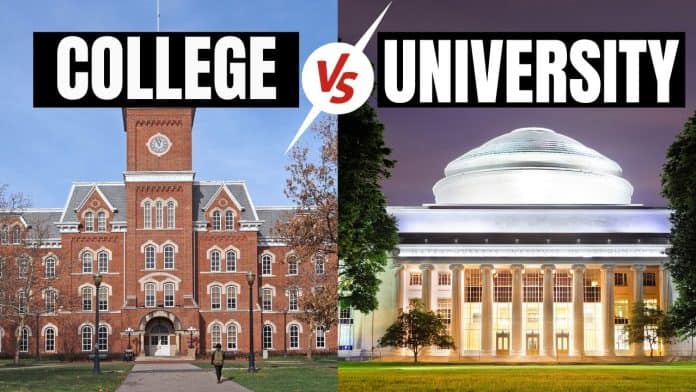


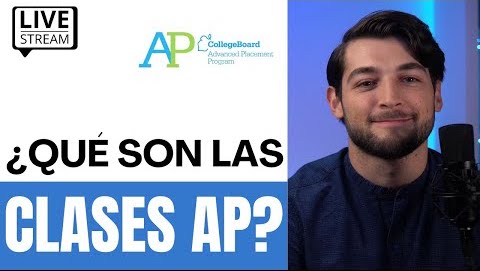

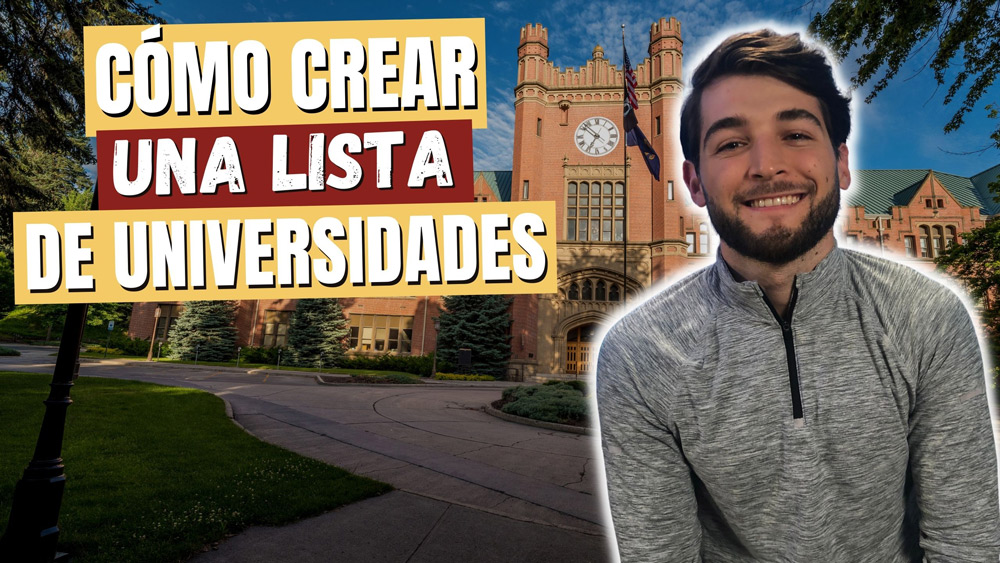
























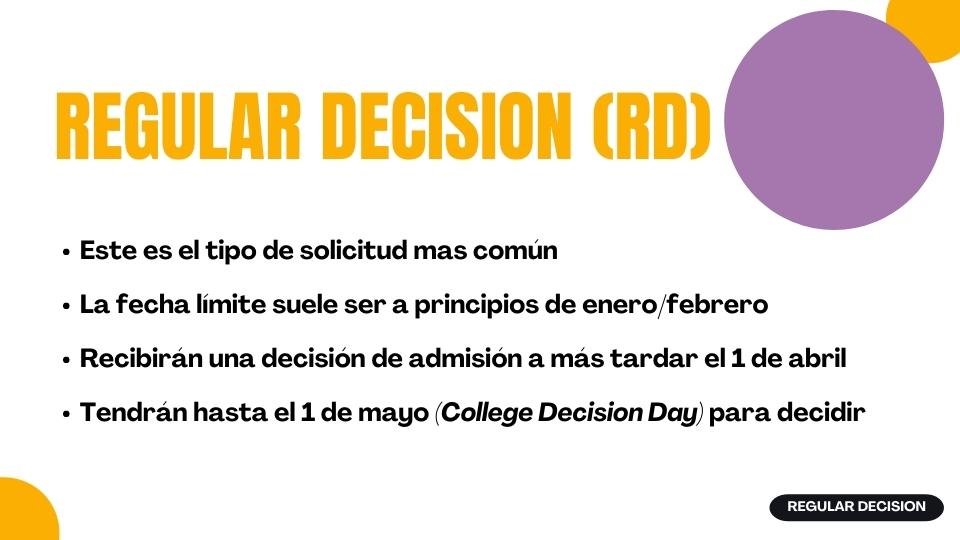
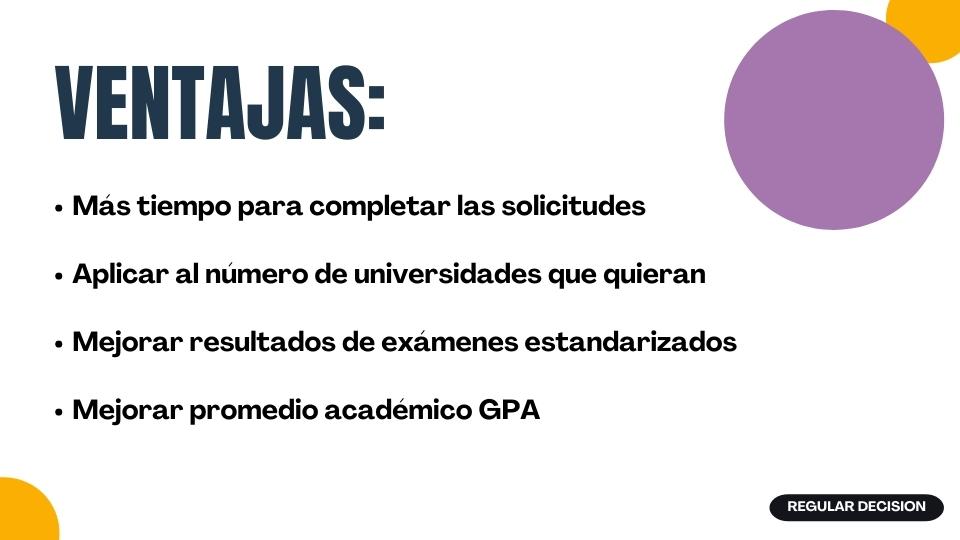
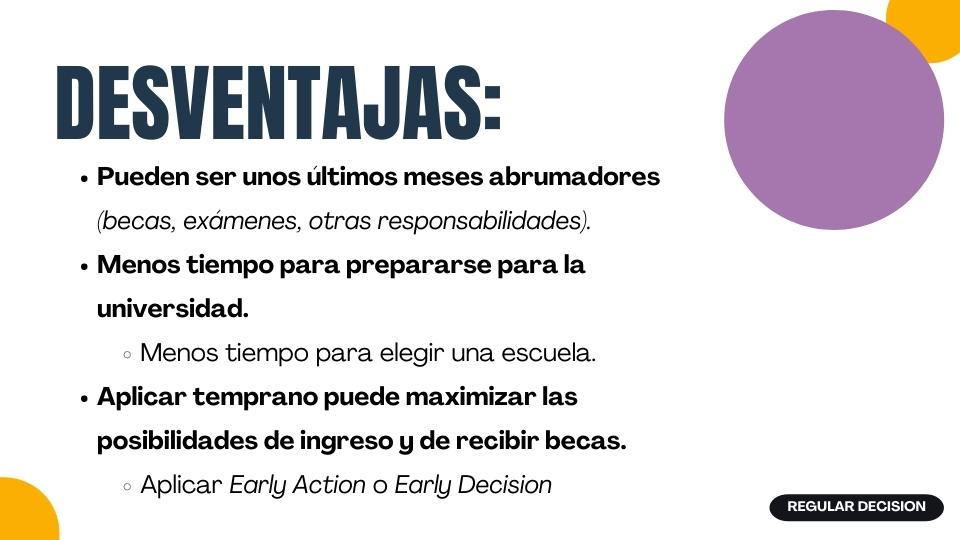


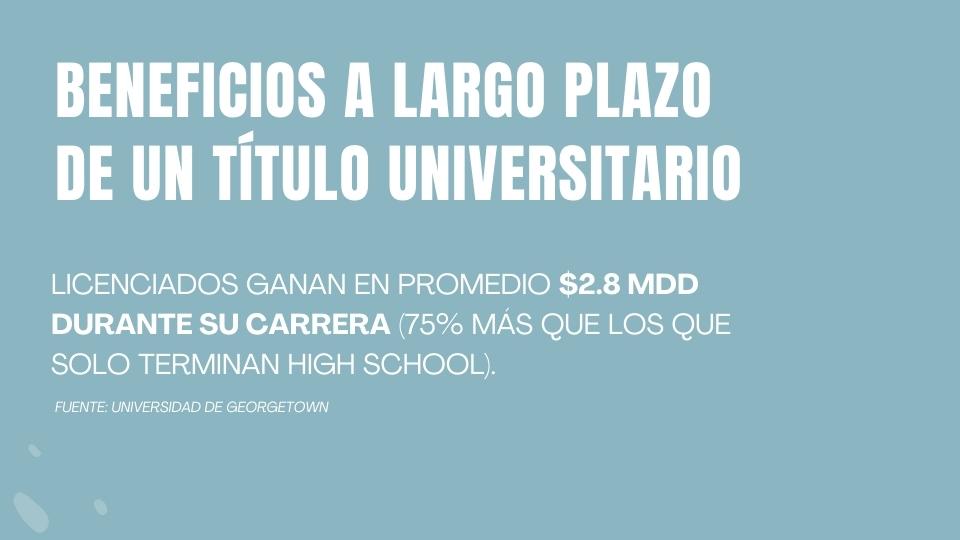
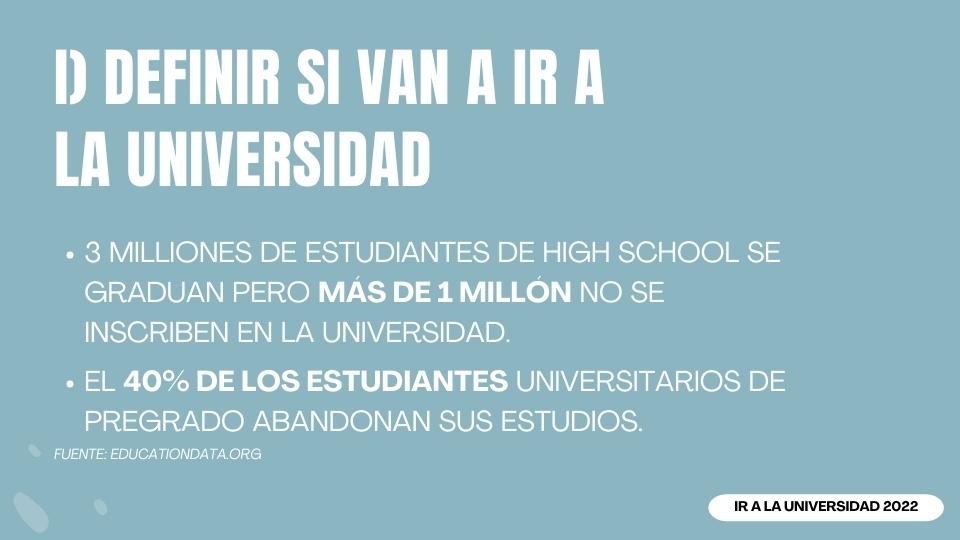
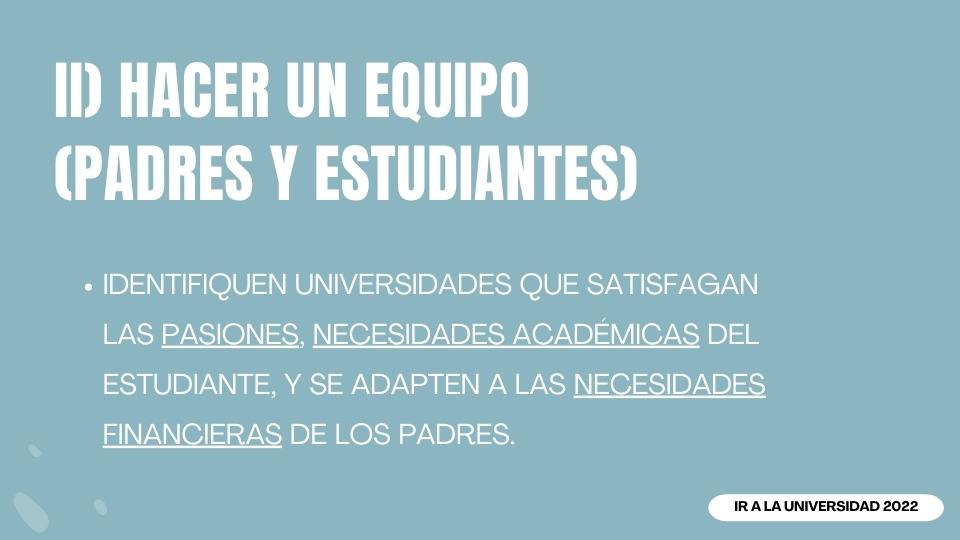
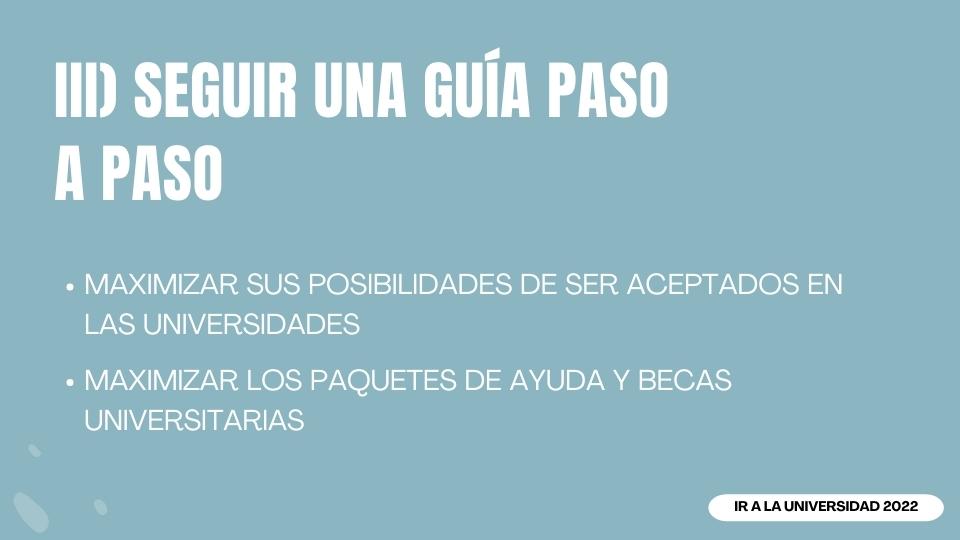











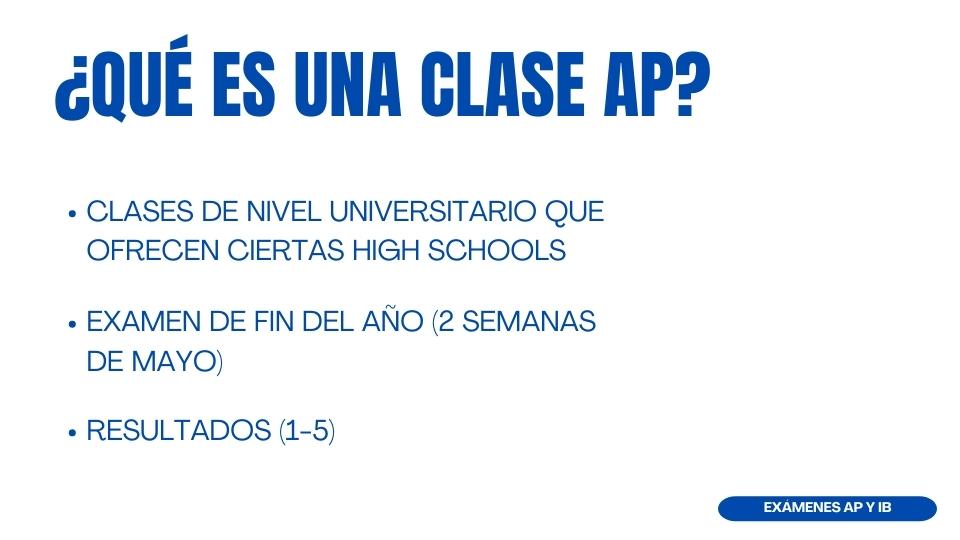
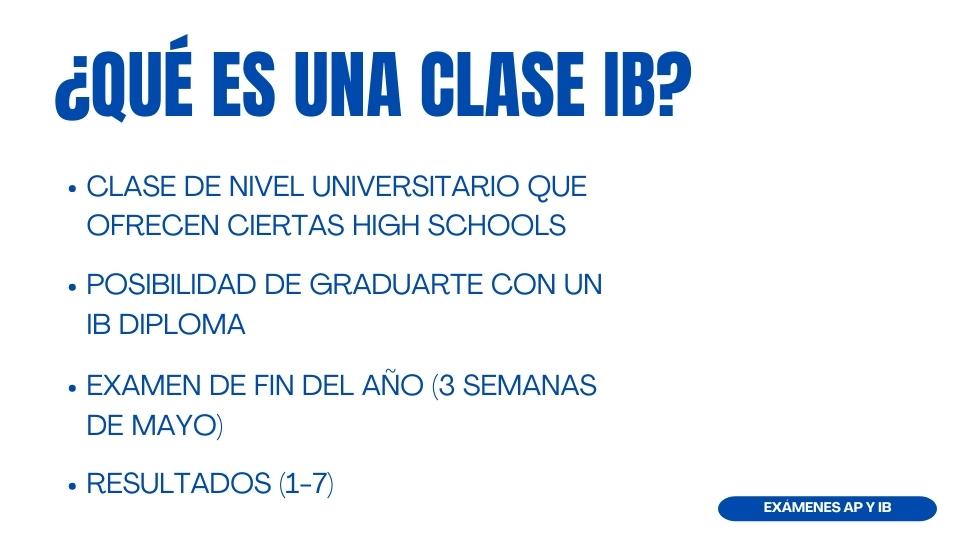
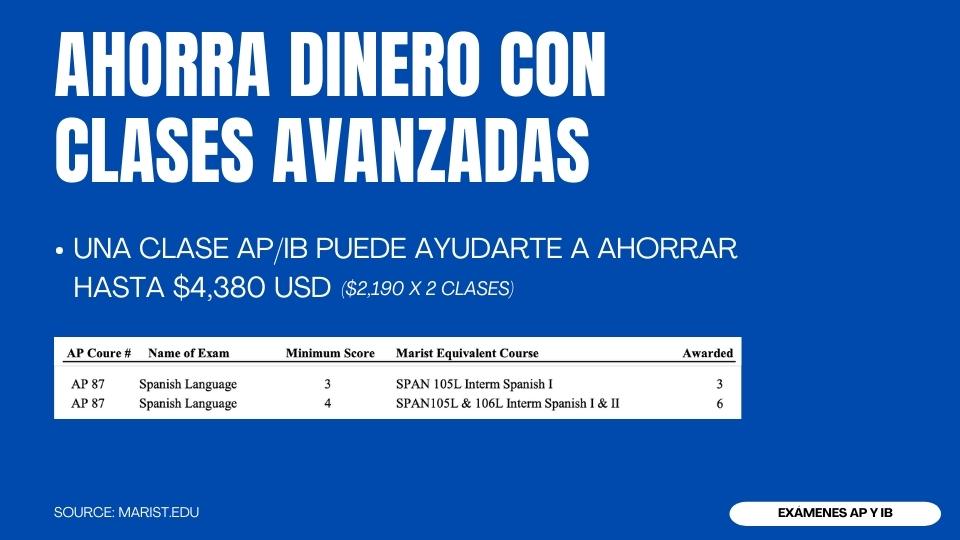




















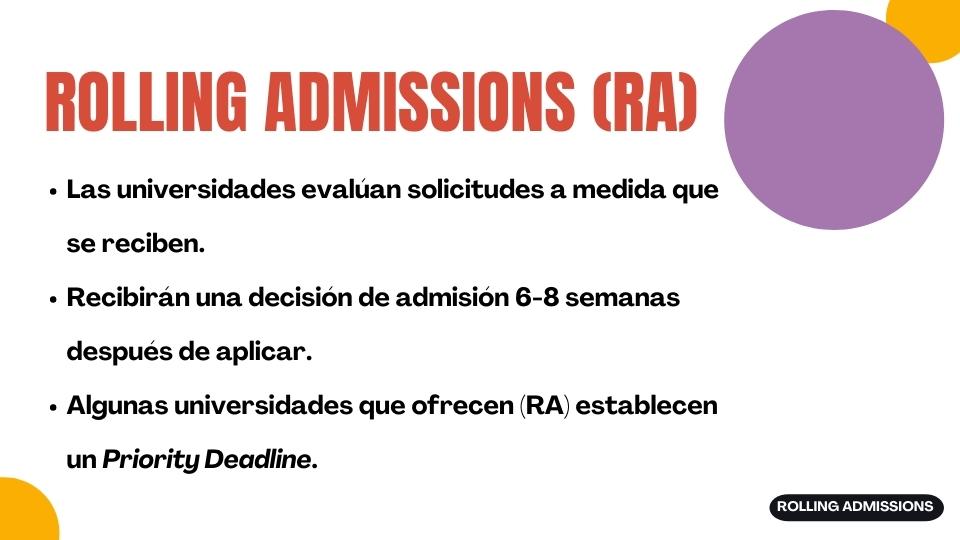
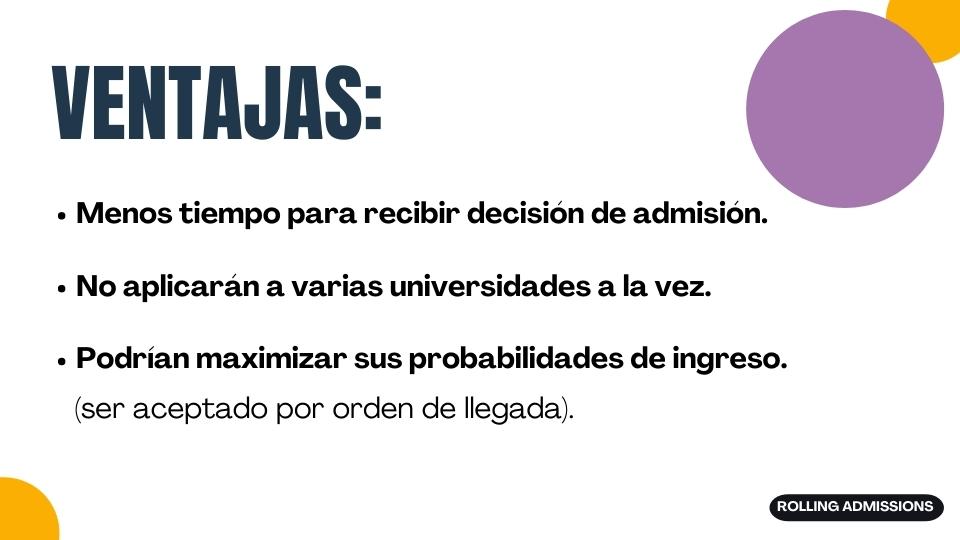
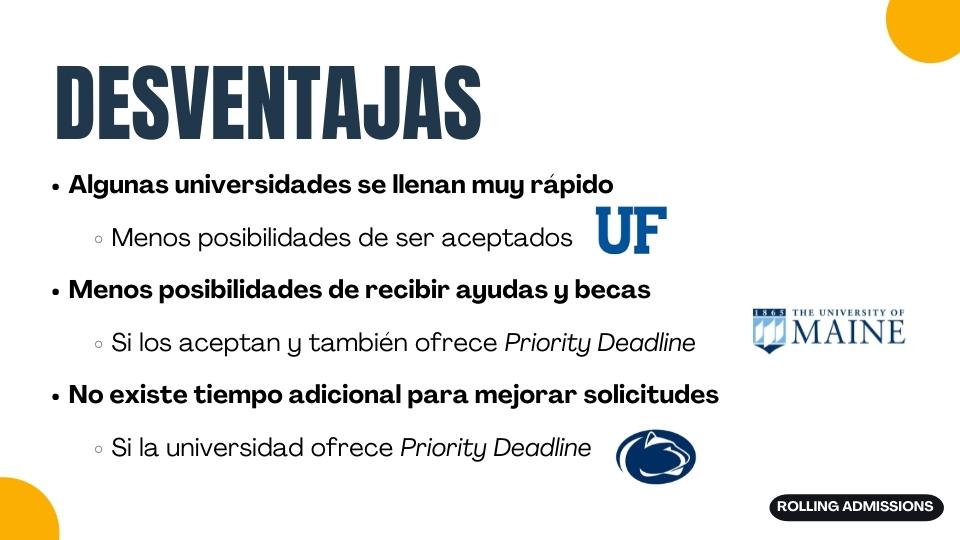














 ES
ES